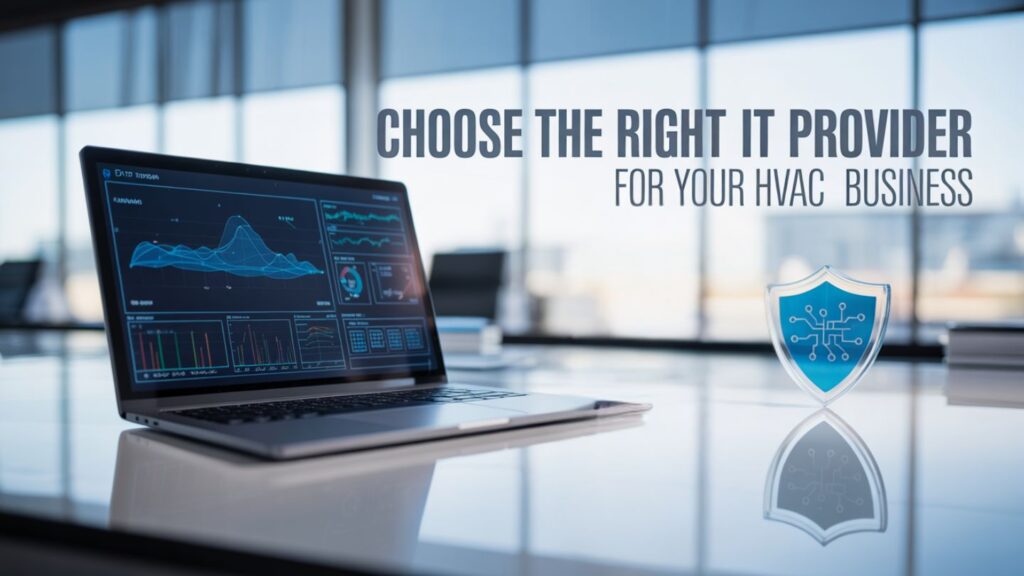
In today’s technology-driven world, HVAC businesses rely heavily on efficient and secure IT systems to manage daily operations, communicate with customers, and support business growth. From scheduling jobs and managing service requests to protecting sensitive client data, technology plays a vital role in every aspect of your HVAC business. Choosing the right IT service provider is therefore more than just a technical decision; it’s a strategic one that directly impacts your company’s productivity, customer satisfaction, and long-term success.
This blog explores the key factors to consider when selecting an IT service provider tailored to the unique needs of HVAC businesses. You’ll learn how to assess your current IT infrastructure, plan for future growth, evaluate potential providers, and understand the importance of cybersecurity, scalability, and proactive support. Whether you’re a small HVAC contractor or a growing enterprise, the right IT partner can help streamline your operations, protect your data, and set your business up for sustained success.
Key Takeaways
- Assessing your HVAC business’s specific IT needs, including current infrastructure and future growth plans, is essential for choosing the right IT service provider.
- Selecting an IT service provider requires evaluating expertise, the range of services offered, and cost efficiency to ensure alignment with business objectives.
- Robust cybersecurity measures and compliance with industry standards are critical for protecting HVAC businesses from data breaches and legal complications.
Assessing Your HVAC Business Needs
Understanding the unique needs of your HVAC business is the first step in selecting the right IT service provider. Evaluating your current IT infrastructure, planning for future growth, and aligning with your operational goals are critical steps.
This comprehensive evaluation guarantees the provider can meet your specific needs and enhance your business operations.
Current IT Infrastructure
Begin by evaluating your existing IT infrastructure. This involves assessing your current hardware, software, and network components. IT service providers can offer valuable support and maintenance recommendations to ensure your systems are running efficiently and securely. Conducting a network assessment can identify any security gaps in your infrastructure, which is crucial for protecting sensitive data. Comprehensive HVAC software that includes job scheduling, customer relationship management, and technician communication is essential for operational efficiency.
Additionally, the integration capabilities of new HVAC software with existing systems, such as QuickBooks, should be considered to improve data management and streamline operations. Identifying these specific functionalities will direct you toward the best HVAC software, HVAC business software, and HVAC service software that fits your business needs.
Future Growth Plans
Planning for future growth is vital for any HVAC business. Utilizing scalable solutions allows you to seamlessly manage expansions and increased workloads without significant IT burdens. Adjusting your IT infrastructure with scalable solutions helps prepare your business for future growth, ensuring that your systems can handle increased demands. Consultants can play a pivotal role in identifying long-term technological goals that align with your business objectives, ensuring sustained growth and competitiveness.
As HVAC companies continue to evolve, many are recognizing why they should move to cloud-based management systems, a transition that improves collaboration, mobility, and data security. Cloud technology enables technicians, office staff, and management to work in sync, accessing essential data in real time. This forward-looking approach supports scalability, simplifies communication, and provides the flexibility needed to adapt quickly to customer and operational demands.
Aligning your IT infrastructure with future business goals keeps your HVAC business competitive and ready for growth opportunities as your business grows. This forward-thinking approach will help maintain smooth business operations and optimize cash flow.
Operational Goals
Aligning your IT services with your operational goals can significantly enhance efficiency and customer satisfaction. Collaborating with consultants allows for the development of IT roadmaps that align technological advancements with long-term business objectives. This alignment ensures that your IT investments directly contribute to achieving your key performance indicators and overall business processes.
Streamlining operations through the right IT solutions not only improves efficiency but also leads to cost savings and better resource allocation. This holistic approach helps HVAC businesses meet their operational goals more effectively, ensuring that your service business runs smoothly and meets customer expectations.
Key Factors in Choosing an IT Service Provider

Choosing the right IT service provider is a critical decision that impacts your HVAC business’s efficiency and customer satisfaction. Key factors to consider include the provider’s expertise and experience, the range of services offered, and cost efficiency.
Evaluating these aspects will help you select a provider that aligns with your business needs and operational goals.
Expertise and Experience
Expertise and experience are paramount when selecting an IT service provider. Evaluating case studies and client testimonials can provide further insights into an IT provider’s expertise. Selecting a provider with a proven track record guarantees high-quality service and an excellent customer experience for your HVAC business.
In fact, as demonstrated in the benefits of IT services for local HVAC companies, professional IT support can directly improve job management efficiency, reduce downtime, and boost customer satisfaction, proving that partnering with the right provider can have a measurable impact on overall business success.
Range of Services Offered
A diverse range of services from an IT provider can lead to improved operational efficiency and business growth. When evaluating potential service providers, look for offerings that include:
- Cloud services
- Managed services
- Network management
- Data security
These services should meet the specific needs of your HVAC business.
Diverse IT solutions enhance operational efficiency and support business growth strategies by providing stability and security. This comprehensive suite of services ensures that your HVAC business can handle various IT challenges and maintain smooth operations.
Cost Efficiency and Pricing Models
Cost efficiency is a crucial factor in selecting an IT service provider. Key points to consider include:
- Evaluating the total cost of ownership helps HVAC businesses plan their budgets effectively without compromising service quality.
- Managed IT services often operate on a subscription fee basis, which can be more economical than employing full-time IT staff.
- This model can significantly reduce job costs and improve cost efficiency through effective job costing, making it a cost-effective choice.
Outsourcing IT services eliminates the need for extensive training and maintenance of in-house IT expertise. This approach allows HVAC businesses to allocate resources more efficiently and invest in growth opportunities, ensuring a favorable return on investment without compromising on service quality.
Read more: Unlocking Success: 7 Reasons to Outsource Your Information Technology (IT) Department
Importance of Cybersecurity for HVAC Businesses
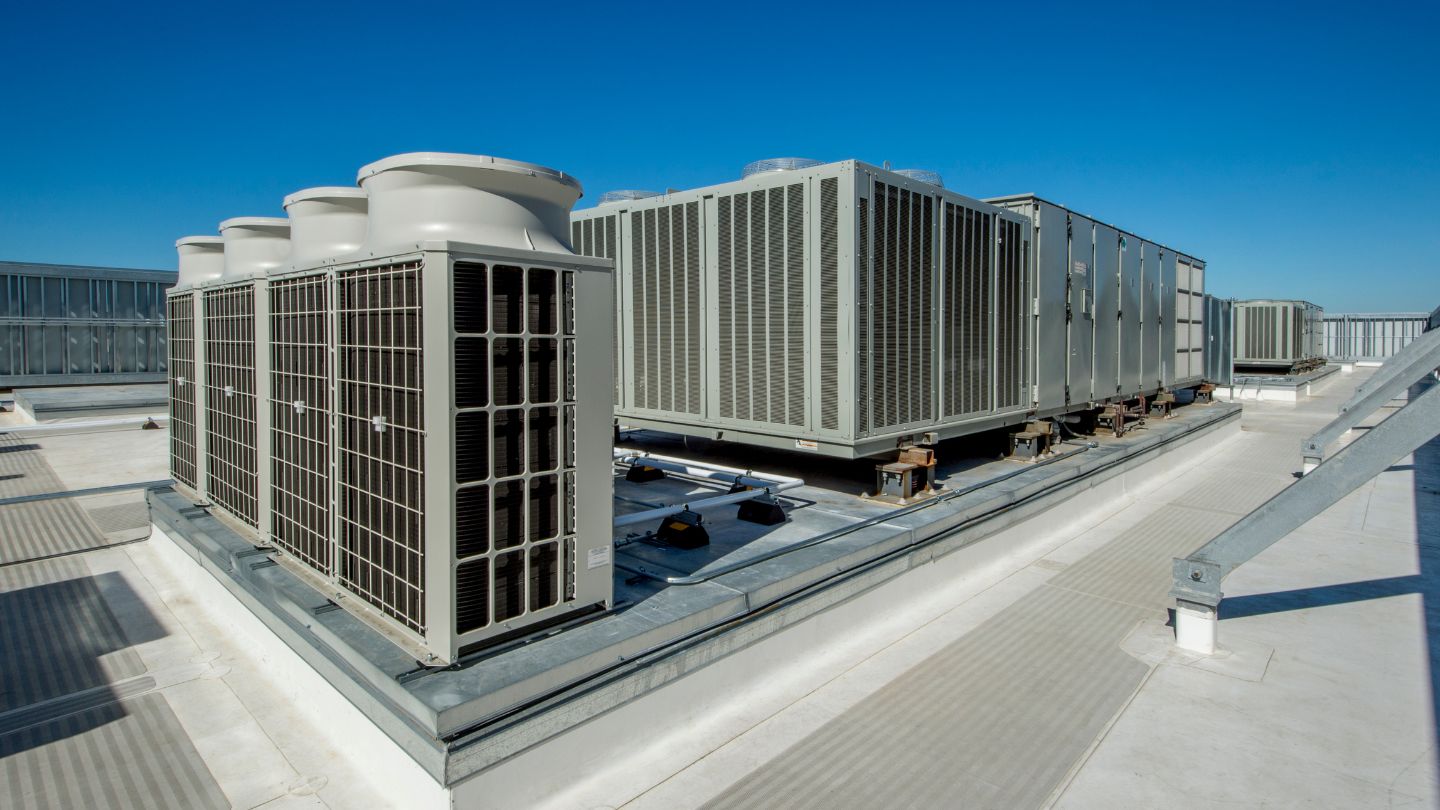
In today’s digital age, robust cybersecurity measures are essential for HVAC businesses. Protecting sensitive customer information and overall infrastructure from data breaches is crucial. A single cybersecurity breach can lead to financial losses, reputational damage, and regulatory penalties, making data security a top priority.
Essential cybersecurity measures include proactive monitoring, threat detection, and incident response to safeguard your business against potential threats.
Data Protection Strategies
Effective data protection strategies are vital for HVAC businesses. HVAC software providers typically employ various security strategies, such as encryption and firewalls, to protect data. Bryley offers encrypted, off-site, automated, real-time backup solutions to ensure data is securely stored and readily available. These backup services include:
- Disk backup
- Disk imaging
- File-level backup
- Bare-metal restores
These services significantly reduce downtime and data loss.
Implementing robust security measures safeguards sensitive information and ensures compliance with industry standards for HVAC businesses. This approach not only protects your data but also enhances customer trust and confidence in your services.
Compliance with Industry Standards
Compliance with industry standards is crucial for avoiding hefty fines and legal complications. It is essential to assess an IT service provider’s compliance and security practices to ensure they have appropriate measures to protect data. Emerging features in HVAC software, such as paperless processes for compliance tools, can help businesses maintain regulatory compliance and improve operational efficiency.
Ensuring regulatory compliance not only protects your business from legal issues but also enhances service quality and customer satisfaction. Selecting an IT provider known for compliance ensures smooth operations and regulatory adherence for your HVAC business.
Benefits of Managed IT Services for HVAC Companies
Managed IT services offer numerous benefits for HVAC companies, including enhanced operational efficiency, timely support, and scalability. Leveraging managed IT services streamlines operations, reduces costs, and keeps IT infrastructure up-to-date and secure.
These services provide HVAC companies with the expertise and resources needed to maintain smooth and efficient business operations in the hvac industry.
Proactive Monitoring and Support
Proactive monitoring and support are essential for minimizing downtime and maintaining operational efficiency. Managed IT services provide 24/7 system monitoring and proactive support to address IT issues before they escalate. Continuous monitoring can significantly reduce downtime and enhance productivity for HVAC companies through smart service.
Cost Savings and Resource Allocation
Outsourcing IT services can lead to significant cost savings for HVAC businesses. By reducing costs related to infrastructure, maintenance, and personnel, businesses can allocate their resources more efficiently. When considering IT solutions, it’s essential to account for ongoing expenses such as maintenance, software licenses, and cybersecurity measures. Managed IT services can centralize and optimize IT functions, leading to improved cost efficiency and better resource allocation.
Evaluating these cost aspects allows HVAC businesses to invest in growth opportunities and ensure favorable returns on IT investments. This strategic approach to asset management and resource allocation helps businesses maintain financial stability while achieving their operational goals.
Scalability and Flexibility
Scalability and flexibility are critical benefits of managed IT services. These services allow HVAC businesses to grow without facing significant IT burdens. Managed IT providers can adjust resources according to the specific needs of HVAC businesses, enabling them to adapt quickly to market changes or business growth. This flexibility ensures that your IT infrastructure can handle increased demands and support sustained growth.
Scalable solutions from managed IT services help HVAC companies stay competitive and meet business goals. This approach ensures that your IT infrastructure can evolve with your business, supporting long-term success and stability.
Evaluating Potential IT Service Providers
Evaluating potential IT service providers is crucial for ensuring they meet your HVAC business needs effectively. Look for detailed customer reviews, case studies, and testimonials that demonstrate the provider’s effectiveness and reliability.
Assessing the provider’s reputation, experience, and support structure will help you make an informed decision.
Checking Provider’s Reputation
Understanding the reputation of your IT service provider is crucial for ensuring they can meet your HVAC business needs effectively. Look for detailed customer reviews and case studies that demonstrate the provider’s effectiveness and reliability.
Evaluating a provider’s reputation involves more than just reading reviews. It’s also about understanding their customer interactions and how they have handled past projects. Providers with positive customer feedback and a history of reliable support are more likely to deliver high-quality services consistently.
Customer Reviews and Success Stories
Customer reviews and success stories play a critical role in assessing the effectiveness and reliability of IT service providers for HVAC businesses.
Positive customer experiences serve as a strong indicator of an IT service provider’s capability to support HVAC businesses. Reviewing these success stories offers insights into the provider’s impact on other companies, aiding in informed decision-making regarding customer data.
Support and Response Times
An effective IT service provider should offer 24/7 support to address any issues that arise, ensuring minimal disruption to business operations. Evaluating response times is essential, as quicker support can mitigate the impact of technical issues on businesses.
A strong support structure not only resolves issues quickly but also enhances operational performance for HVAC businesses. Selecting a provider with reliable support and quick response times ensures business productivity and efficiency.
Integration with Existing Systems
Integrating new IT services with existing systems is crucial to prevent disruptions and maintain operational efficiency. This process ensures that your business running smoothly can continue to function while adopting new technologies.
Careful planning and execution of these integrations are essential to achieving seamless operations and maintaining data accuracy in inventory management.
Compatibility with Current Software
Integrating new software with existing systems can lead to improved data accuracy and streamlined workflows. For instance, QuickBooks Online can be paired with HVAC software through QuickBooks integration, significantly enhancing operational efficiencies in HVAC businesses. This seamless integration ensures that data flows smoothly between systems, reducing the risk of errors and double data entry.
Ensuring compatibility with current software is vital for maintaining operational efficiency. Selecting software that integrates well with existing systems enhances customer satisfaction and streamlines operations. This approach helps HVAC businesses manage their data more effectively and supports overall business processes.
Training and Support for Staff
Ongoing support and training are essential for staff to effectively use new technologies and systems. Ensuring that your office staff is well-trained on new service software can lead to better customer management and customer communication. This training helps staff understand and utilize the full capabilities of the new systems, leading to improved operational efficiencies and customer satisfaction.
Providing high-quality services also means offering reliable support to your staff. Providing necessary training and support helps staff quickly adapt to new technologies, resulting in smoother business operations.
The Role of IT Consulting in HVAC Business Growth
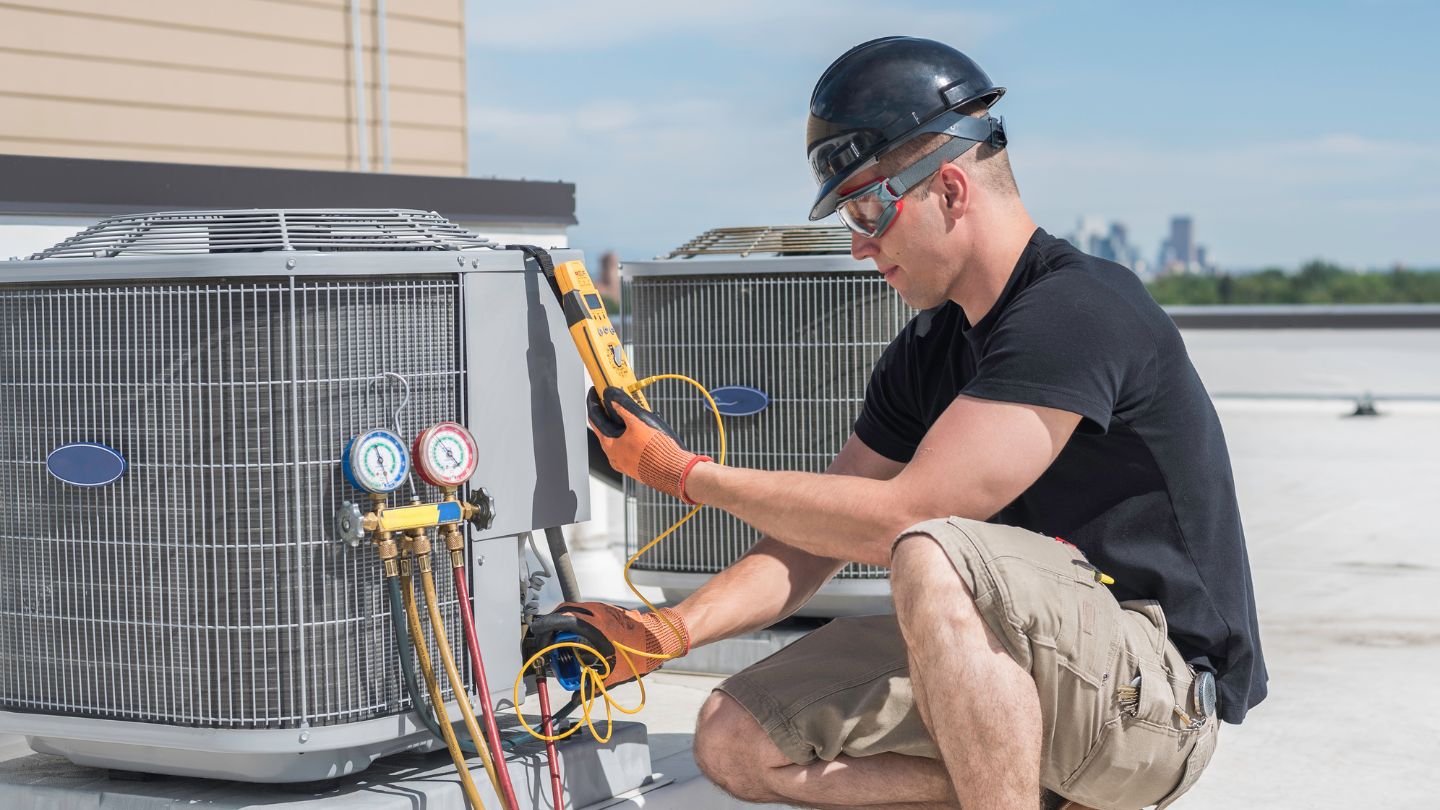
IT consulting plays a pivotal role in the growth of HVAC businesses. Consultants assist in selecting the best HVAC software that matches your business systems and workflows. They also guide you through the key stages of implementing new HVAC software, including:
- Needs assessment
- Setup
- Customization
- Training
- The launch period.
This comprehensive support ensures that your business fully realizes the key benefits of the new technologies.
Strategic IT Planning
Consultants assist HVAC businesses in formulating long-term IT strategies that align technology initiatives with overarching business objectives. Developing strategic IT plans ensures technology investments support business goals and drive growth. This planning includes managing inventory, data security, and network management to ensure that the IT infrastructure is robust and scalable.
Strategic IT planning helps businesses manage their resources more effectively and prepare for future growth. By aligning IT initiatives with business goals, HVAC companies can optimize their operations and maintain a competitive edge in the industry.
Process Optimization
IT consultants identify process inefficiencies in HVAC operations and propose targeted improvements to boost overall productivity. By streamlining business processes, consultants help HVAC companies reduce operational costs and improve job management. This optimization ensures that the business runs smoothly and efficiently, leading to better customer management and satisfaction.
Process optimization through IT consulting not only enhances operational efficiency but also supports long-term business growth. Addressing inefficiencies and implementing effective solutions helps HVAC businesses achieve their goals and maintain smooth operations.
Final Thoughts
Selecting the right IT service provider is crucial to the long-term success of your HVAC business. This blog has explored the key considerations that help guide your decision, from assessing your current IT infrastructure and planning for future growth to evaluating cybersecurity measures, scalability, and overall cost efficiency. By focusing on providers with proven expertise, a comprehensive service range, and a commitment to proactive support, HVAC companies can strengthen their operations, protect their data, and maintain a competitive edge in a technology-driven market.
JETT Business Technology stands out as a trusted partner for businesses seeking reliable HVAC IT services. As a leading IT company in Atlanta, JETT brings over two decades of experience delivering end-to-end solutions designed to optimize performance and security, including IT installation and support, cloud services, cybersecurity, and low-voltage and premise security services. By partnering with us, your HVAC business can ensure efficient operations, enhanced data protection, and sustainable growth, backed by a dedicated team that understands the unique technological needs of the HVAC industry.
Frequently Asked Questions
Why are IT services important for HVAC businesses?
IT services are essential for HVAC businesses because they streamline scheduling, dispatching, customer management, and communication. With reliable HVAC IT services, businesses can automate daily operations, protect sensitive data, and enhance overall productivity and customer satisfaction.
How can an IT service provider improve HVAC business efficiency?
An experienced IT service provider can optimize your systems by integrating scheduling software, cloud platforms, and customer databases. This ensures seamless coordination between technicians and office staff, reducing downtime and improving workflow efficiency.
What should HVAC companies look for in an IT service provider?
HVAC companies should look for providers with industry experience, proven reliability, and a strong focus on cybersecurity and support. A good provider will also offer scalable solutions such as managed IT services, data protection, and cloud-based management systems tailored to HVAC operations.
How do managed IT services help HVAC businesses grow?
Managed IT services allow HVAC businesses to focus on their core operations while their technology infrastructure is proactively maintained and secured. This minimizes technical disruptions, reduces costs, and supports scalability as the business expands.
Are cloud solutions safe for HVAC companies?
Yes, cloud solutions are highly secure when implemented correctly. Reputable providers use encryption, multi-factor authentication, and continuous monitoring to protect your data. For HVAC companies, cloud-based systems also improve accessibility and efficiency while maintaining strong data protection.