 Skip to content

Choosing between a data center and cloud solutions is a critical decision for businesses looking to optimize their IT infrastructure. This guide explores the key differences, helping you determine the best fit for your unique needs.
Key Takeaways
- Data centers provide complete control and robust security, ideal for industries with stringent compliance needs.
- Cloud computing offers flexibility, scalability, and reduced costs through pay-as-you-go models.
- Choosing between a data center and cloud solutions depends on your business’s specific IT infrastructure requirements.
Understanding Data Centers and Cloud Computing
Both data centers and cloud computing serve as the backbone of modern IT infrastructure, but they offer distinct benefits and functionalities. When comparing cloud and data center solutions, cloud platforms often provide better energy efficiency and resource utilization through multi-tenancy and dynamic resource allocation, whereas traditional data centers tend to suffer from underutilization and higher costs.
Read more: Exploring the Landscape of Cloud Computing
What Are Data Centers?
Data centers are physical facilities designed to house computer systems and associated components like storage services, networking equipment, and cooling systems. These facilities provide the physical infrastructure needed for data storage, processing power, and enterprise-level IT management.
Key aspects of data centers include:
- Complete control over IT infrastructure.
- Direct management of computing resources.
- Enhanced security systems for sensitive data.
- High availability through redundancy and uninterruptible power supplies.
Traditional data centers are often located on-premises or in colocation facilities, providing organizations with total oversight of their data and applications.
What Is Cloud Computing?

Cloud computing delivers IT services via the Internet, enabling businesses to access computing power, data storage, and cloud resources without managing physical infrastructure. Cloud solutions offer flexibility, scalability, and reduced ongoing maintenance costs, making them ideal for businesses with fluctuating needs.
Key aspects of cloud computing include:
- Elastic resource scaling to meet business demands.
- Accessibility through public cloud platforms or private cloud environments.
- Reduced reliance on physical facilities.
- Simplified disaster recovery through cloud service providers.
Cloud data centers, managed by cloud vendors, eliminate the need for in-house infrastructure while providing robust network security and data integration options.
Read more: How Does Cloud Computing Work? A Clear and Simple Guide
Comparing Data Centers and Cloud Solutions
To choose the right solution, it’s essential to understand how data centers and cloud services differ in key areas like ownership, scalability, and cost.
Data center services integrate cloud computing benefits with the management of physical data center infrastructure, offering flexibility, scalability, and assured maintenance and security.
Physical Infrastructure vs Virtual Resources
- Data Centers: Physical infrastructure located on-premises or in colocation facilities, offering direct control over computing resources and network security. An on-premises data center is maintained on-site by an organization’s IT department, providing a high level of control and responsibility over security measures and infrastructure.
- Cloud Solutions: Virtual resources provided by cloud service providers, eliminating the need for physical location management.
Ownership and Control: Data Centers and Cloud Providers
- Data Centers: Businesses maintain complete control over their IT environment, making them ideal for industries with stringent compliance or customization needs.
- Cloud Computing: Resources are managed by cloud vendors, allowing businesses to focus on core objectives while the provider handles ongoing maintenance.
Scalability and Flexibility
- Cloud Services: Scalable computing power and storage services that adapt to changing workloads.
- Data Centers: Scaling requires significant upfront investments in additional storage and computing systems.
Read more: What Is Scalability in Cloud Computing and Why Your Business Needs It
Cost Structure
- Data Centers: Higher upfront investments for infrastructure, with ongoing maintenance costs for energy, cooling systems, and IT staff.
- Cloud Solutions: Pay-as-you-go models reduce initial expenses and enable predictable budgeting.
Security and Compliance Considerations in Data Centers vs Cloud
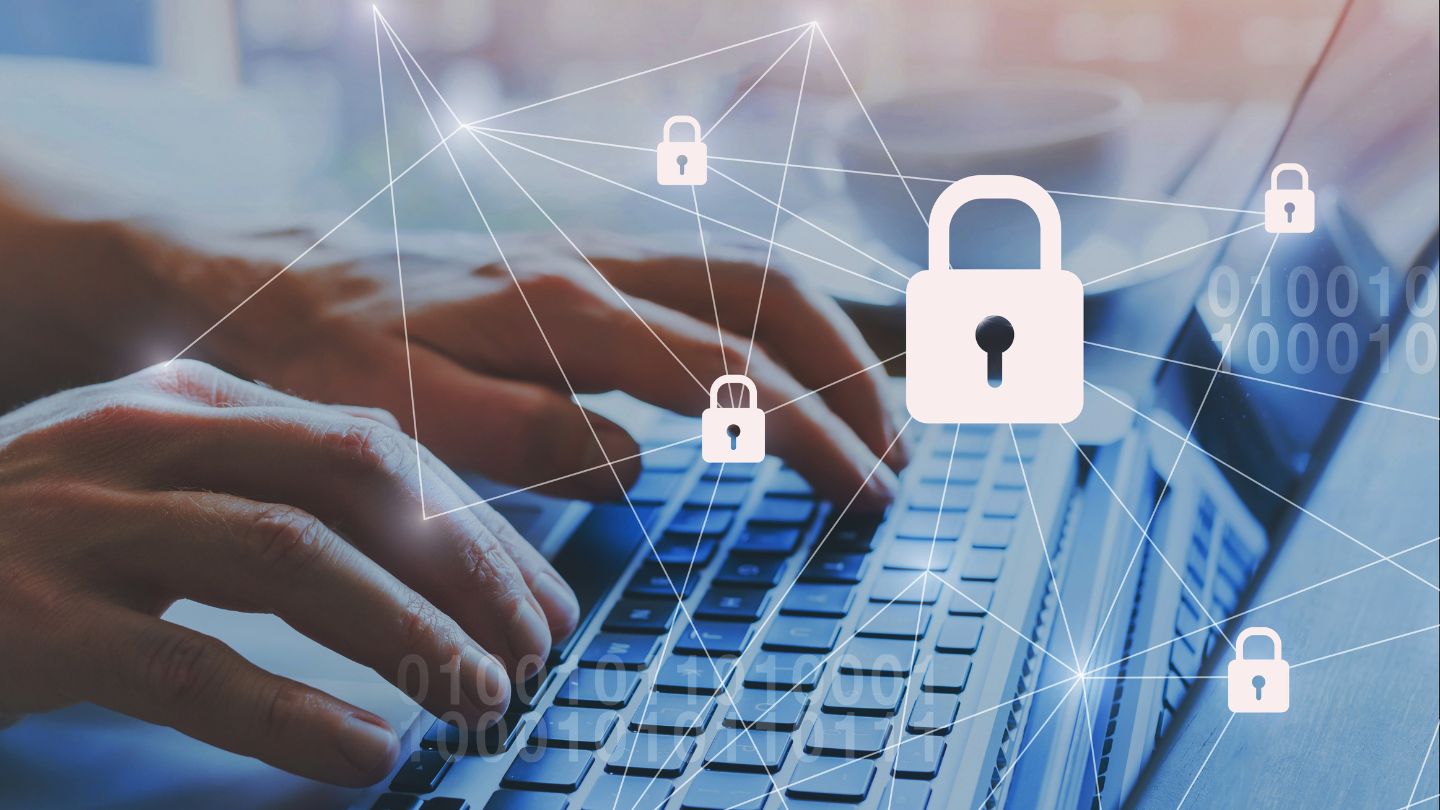
When evaluating data center vs cloud solutions, security and compliance are paramount. Both cloud data centers and traditional data centers must safeguard data from unauthorized access and ensure compliance with regulations such as HIPAA, PCI-DSS, and GDPR. By selecting a cloud provider or managing an on-premises data center that adheres to stringent security standards, organizations can protect their sensitive data while leveraging the benefits of modern IT infrastructure.
Read more: How IT Services in Atlanta Can Be Helpful in Cloud Data Protection
Data Center Security Measures
Data centers, whether on-premises or in colocation facilities, require robust security protocols to protect their physical infrastructure and computing resources. Key measures include:
- Physical Security: Access controls, surveillance cameras, and alarm systems to prevent unauthorized entry to data center facilities.
- Logical Security: Firewalls, intrusion detection systems, and encryption to safeguard against cyber threats.
- Compliance: Adherence to industry standards and regulations to ensure data integrity and privacy.
Cloud Data Center Security Protocols
In cloud data centers, the security of data and applications is a shared responsibility between the cloud provider and the organization. Essential security protocols involve:
- Provider Security: Implementation of encryption, access controls, and continuous monitoring by the cloud service provider.
- Organizational Security: Adoption of identity management, data encryption, and vulnerability management by the organization.
- Shared Responsibility Model: Collaboration between cloud providers and businesses to create a secure cloud environment.
Whether opting for a traditional data center or a cloud data center, organizations must prioritize security and compliance. By carefully considering these aspects, businesses can choose the best option to ensure the protection and compliance of their data storage and processing needs.
Key Advantages of Each Option

Data Centers Offer:
- Direct control and complete customization of IT resources.
- High availability and robust security for sensitive data.
- Tailored solutions for industries requiring compliance with strict regulations.
Cloud Computing Offers:
- Flexible resource scaling for dynamic business needs.
- Reduced costs with pay-as-you-go models.
- Seamless access to computing resources and storage services from anywhere with an internet connection.
Read more: Unlocking the Benefits of Cloud Migration
Summary
Deciding between a data center and cloud solutions requires a clear understanding of your business needs. For complete control and robust security, traditional data centers or on-premises infrastructure are ideal. For scalability and reduced costs, cloud computing offers unparalleled flexibility.
For those who are seeking cloud computing services for Atlanta businesses, JETT Business Technology offers expert guidance and customized solutions. Our services include IT infrastructure management for both data centers and cloud environments, scalable cloud solutions with robust disaster recovery options, comprehensive network security, and identity management, and reliable IT support. We also specialize in advanced cybersecurity services to safeguard your systems and data. Additionally, we ensure your computing resources are optimized for maximum efficiency.
Partner with JETT Business Technology to discover the best IT solution for your business. We proudly offer services in Alpharetta and Marietta, ensuring local businesses receive expert guidance and tailored solutions. Contact us today for expert guidance and tailored services that meet your unique needs.
Frequently Asked Questions
Q1: What is the relationship between cloud and data center resources?
Cloud data centers utilize virtual resources managed by cloud service providers, while traditional data centers rely on physical infrastructure located on-premises or in colocation facilities.
Q2: How does cloud storage differ from data storage in data centers?
Cloud storage is managed by cloud providers and offers scalable and remote access to data, whereas data storage in data centers involves managing physical storage devices on-site.
Q3: Are cloud solutions more cost-effective than traditional data centers?
Cloud solutions often reduce upfront investments and ongoing maintenance costs with pay-as-you-go models, whereas traditional data centers require significant capital for infrastructure and maintenance.