
Understanding how IT services in Atlanta can be helpful in cloud data protection is essential for your business. They provide advanced security measures, continuous threat monitoring, and compliance with data regulations. These services ensure that your cloud data remains protected against cyber threats, allowing you to concentrate on your business growth.
Key Takeaways
- IT services in Atlanta provide comprehensive cloud data protection through risk assessment, regulatory compliance, and advanced cybersecurity measures, ensuring sensitive information remains secure.
- Continuous monitoring and threat detection, supported by Managed Security Operations Center (SOC) services and advanced tools, enable businesses to swiftly identify and respond to potential cyber threats.
- Customized cloud solutions enhance operational efficiency and scalability, while employee training on cybersecurity best practices significantly reduces vulnerabilities associated with human error.
The Role of IT Services in Cloud Data Protection
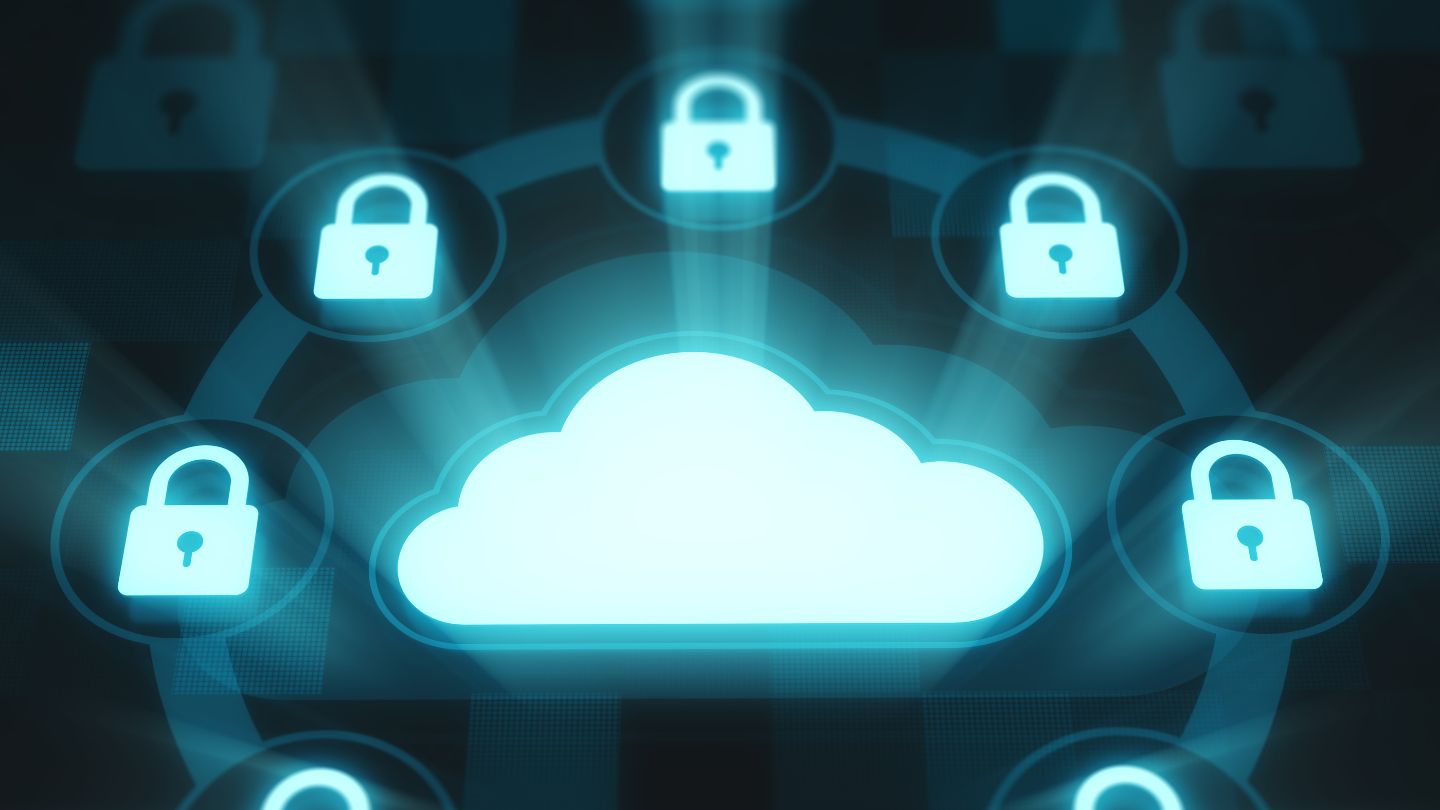
Data security is paramount in cloud computing. IT services ensure sensitive information remains protected within cloud environments. Businesses in Atlanta benefit from a range of cybersecurity solutions designed to safeguard against evolving cyber threats.
These services go beyond robust cybersecurity measures to ensure regulatory compliance. IT providers offer cloud data protection solutions that align with industry-specific data governance standards, helping businesses navigate complex compliance requirements. This dual focus on security and compliance makes IT services indispensable for organizations looking to protect cloud data while maintaining operational efficiency.
IT experts integrate risk assessment, implement comprehensive security frameworks, and develop incident response strategies. This proactive approach enhances data security, strengthens business continuity, and ensures resilience against potential threats and data breaches.
Advanced Security Protocols for Sensitive Data
Ensuring the security of sensitive data within the cloud is achieved through sophisticated security measures. Utilizing encryption safeguards this information when it’s stored as well as during its transmission, preventing unauthorized individuals from gaining access or intercepting the data.
Read More: What Is 256 Bit Encryption And Is It Safe For Web Security?
By implementing multi-factor authentication (MFA), an additional level of verification is added to user logins in cloud services, which significantly strengthens defenses against unauthorized access attempts and provides a robust barrier even if one layer of defense fails.
Read More: Multi-Factor Authentication (MFA)—6 Reasons You Need It
Through integrating both encryption and MFA, IT service providers deliver extensive protection for delicate information held in the cloud. This strategy not only maintains the integrity of data but also mitigates potential risks associated with breaches and cyber attacks.
Continuous Monitoring and Threat Detection
Continuous vigilance and the identification of threats are essential components of cloud security. Services provided by Managed Security Operations Centers deliver 24/7 surveillance, quickly detecting and mitigating possible cyber threats. The capacity to monitor in real-time allows companies to identify and react immediately to any anomalous behavior, thanks to managed cloud security services.
Businesses can adopt a forward-thinking stance on cybersecurity with advanced tools for monitoring that include proactive threat-hunting efforts aimed at uncovering weaknesses before they can be exploited. By incorporating a ‘zero trust’ model—verifying user identities and checking device integrity prior to providing access—a heightened level of risk mitigation is achieved through stringent security protocols.
Read More: Essential Cybersecurity Trends Business Owners Need to Know in 2025
Routine evaluations of security help pinpoint areas for improvement while ensuring adherence to established cybersecurity standards. Continuous training initiatives keep employees informed about how best to recognize and steer clear of cyber threats, thus decreasing the susceptibility within an organization’s infrastructure.
Disaster Recovery and Business Continuity Planning

Unexpected disruptions can affect any business, making disaster recovery and continuity planning vital for cloud data protection. Tailored business continuity services ensure businesses are prepared for unforeseen events, minimizing downtime and financial impact.
Comprehensive data backup and disaster recovery services prevent data loss and ensure uninterrupted access to critical applications. Expert IT service providers design and implement customized strategies that align with business needs, ensuring minimal disruptions in the event of a cyberattack, hardware failure, or natural disaster.
Cloud-based disaster recovery solutions provide automated data replication, secure storage, and fast recovery options, allowing businesses to resume operations quickly. These solutions ensure that critical files, applications, and workloads remain accessible, regardless of physical location or system failure.
Read More: Understanding the IT Disaster Recovery Plan
Customized Cloud Solutions for Unique Business Needs
Bespoke cloud solutions are tailored to meet the unique challenges and demands of businesses, enhancing operational efficiency while aligning with industry-specific requirements. IT service providers analyze an organization’s infrastructure and develop cloud strategies that support business goals.
The scalability of cloud systems allows businesses to expand or reduce resources as needed, ensuring cost-effectiveness without compromising performance. Centralized data storage improves collaboration by providing employees with secure, real-time access to essential information. These capabilities are crucial for businesses utilizing cloud computing for secure data management, application hosting, and remote work environments.
Professional IT teams provide ongoing management, proactive system monitoring, and rapid troubleshooting to minimize downtime and security risks. Automated software updates and security patches ensure that cloud environments remain protected against vulnerabilities without requiring manual intervention from internal teams.
Employee Training on Cloud Security Best Practices
Educating employees on cybersecurity best practices is essential for reducing human-related security risks in cloud environments. IT professionals provide structured cybersecurity training programs that equip employees with the knowledge to identify and mitigate potential threats.
Rather than relying solely on internal policies, businesses benefit from expert-led training that covers phishing detection, secure password management, and proper data handling procedures. Security awareness programs are customized to address industry-specific risks, ensuring employees are prepared to recognize cyber threats and respond appropriately.
Continuous security assessments and simulated attack scenarios help reinforce best practices, keeping employees vigilant against evolving cyber risks. Businesses that invest in professional training significantly reduce their exposure to data breaches caused by human error.
Read More: Phishing Training and Testing: A Necessary Defense Against Cyberattacks… and Worse
Regulatory Compliance and Data Governance
Organizations utilizing cloud services must adhere to strict regulatory compliance requirements and implement robust data governance policies. IT service providers play a crucial role in ensuring businesses meet compliance standards by deploying security frameworks aligned with industry regulations.
Read More: Why Cybersecurity Audits Are Crucial for Business Compliance: Essential Insights and Best Practices
Cybersecurity specialists conduct regular audits, assess risks, and implement data encryption, access control, and compliance reporting tools. These measures ensure businesses remain compliant with data privacy laws while safeguarding sensitive information from unauthorized access.
Proper key management is essential for data protection, as encryption keys must be securely stored and managed to prevent unauthorized use. IT service providers implement enterprise-grade encryption solutions that ensure data integrity and confidentiality.
With regulatory landscapes constantly evolving, businesses require ongoing compliance support to adapt to new legal requirements. IT experts provide compliance consulting, security policy updates, and documentation assistance to help organizations maintain continuous adherence to industry standards.
Enhancing Productivity with Secure Cloud-Based Applications

Secure cloud-based applications revolutionize productivity, providing flexible working environments while ensuring data protection. Cloud computing solutions offer backup, easy access, and editing from any device, significantly boosting productivity.
Remote work capabilities allow employees to access resources from anywhere, ensuring continuous productivity. IT services implement secure cloud solutions, protecting data while enhancing work efficiency.
Choosing the Right IT Service Provider in Atlanta
Selecting the right IT service provider is a critical decision for businesses looking to enhance cloud security. The process begins with assessing specific IT needs and identifying providers with proven expertise in cybersecurity and cloud solutions.
Businesses should verify the qualifications and certifications of IT professionals to ensure they have the technical expertise required to implement and manage secure cloud environments. A reputable provider will offer scalable solutions that adapt to evolving business requirements, ensuring long-term IT success.
Support and maintenance services are equally important, as ongoing monitoring and rapid incident response help prevent security breaches and minimize disruptions. Companies should review a provider’s service track record, request client testimonials, and evaluate response times to ensure they receive reliable IT support.
Summary
IT services in Atlanta are essential for protecting cloud-based data and providing businesses with cutting-edge security solutions, compliance support, and proactive monitoring. By leveraging encryption, multi-factor authentication, and 24/7 threat detection, businesses can effectively safeguard sensitive information from cyber threats.
JETT Business Technology offers comprehensive solutions that enhance data security and ensure business continuity in the face of disruptions. Our IT services in Atlanta include disaster recovery planning, customized cloud solutions, and expert-led employee training, all tailored to meet industry regulatory requirements. Investing in our reliable IT services boosts operational efficiency, reduces security risks, and empowers businesses to confidently operate in
Frequently Asked Questions
How can businesses ensure employees follow cloud security best practices?
Businesses can implement regular cybersecurity training, enforce strong password policies, and use multi-factor authentication to minimize security risks.
What should a company look for in a disaster recovery plan?
A strong disaster recovery plan should include automated data backups, rapid recovery protocols, and secure offsite storage to ensure business continuity.
Why is encryption important for cloud data protection?
Encryption prevents unauthorized access by converting sensitive data into a secure format, ensuring only authorized users can decode and access it.