

Security systems are essential to protecting your assets and understanding the lifespan of your security cameras and the best practices to maintain them is crucial for ensuring long-term protection. In this guide, we explore the lifespan of security cameras, the factors that influence their longevity, and the actions you can take to maximize their operational life.
Key Takeaways
- The lifespan of security cameras typically ranges from 5 to 10 years, influenced by environmental conditions, build quality, and maintenance practices.
- Various types of security cameras have different lifespans: analog cameras last 5-10 years, IP cameras for 6-10 years, and PTZ cameras often have shorter operational lives due to mechanical components.
- Regular maintenance, including cleaning and firmware updates, along with proper installation, significantly extends the longevity and effectiveness of security camera systems.
Overview
The durability of security cameras is influenced by multiple crucial elements, such as the conditions they are exposed to, their construction quality, and how well they are maintained. Particularly severe weather can notably shorten a camera’s functional duration. On average, these cameras have an operational lifespan ranging from 5 to 10 years. This expectancy can differ greatly depending on both the type and caliber of the camera in question. Due to their more straightforward design and reduction in mechanical components, analog cameras often fall within this typical longevity bracket.
Recognizing how long security cameras remain operational is key for proper financial planning and maintenance scheduling. With predictions that the market for physical security systems will climb to $83 billion by 2024’s conclusion, it’s evident there is an emphasis on securing dependable security systems that stand the test of time across various industries.
Video surveillance systems are essential for various sectors, from retail stores and financial institutions to private homes. They play a vital role in minimizing theft, safeguarding reputation, and ensuring smooth business operations. Being knowledgeable about your camera system’s expected lifetime assists in maintaining constant vigilance while offering reassurance regarding the safety measures deployed.
Factors Influencing the Lifespan of Security Cameras

The longevity of security cameras is influenced by a multitude of elements. The lifespan can be shortened by harsh environmental factors like severe temperatures and high levels of humidity, which hasten the deterioration process. On the other hand, durability and resilience are often better in more expensive cameras due to their superior build quality compared to budget-friendly options.
Engaging in consistent maintenance activities such as conducting cleanliness routines and updating camera firmware plays an essential role in prolonging the functional duration of security cameras. Recognizing these aspects is key when choosing a suitable camera for your requirements while aiming to maintain its functionality over an extended period.
Environmental Conditions
The longevity of a security camera is significantly influenced by the environment in which it operates. Cameras placed outdoors face severe weather elements, including intense heat or cold, as well as precipitation like rain and snow, all of which can haveten deterioration. For outdoor setups, opting for cameras that boast an IP rating of at least IP65 guarantees sufficient defense against water and particulate intrusion.
Choosing security cameras engineered to resist such environmental adversities markedly improves both their robustness and operational effectiveness.
Build Quality
The durability of security cameras is significantly influenced by their construction quality. Choosing cameras made with superior materials typically results in enhanced longevity and improved performance as they age. Although higher-quality cameras may come at a premium, they offer better value over time by requiring fewer replacements and less frequent maintenance. Opting for quality equipment ensures long-term dependability and reduces ongoing costs, helping businesses maintain effective surveillance systems without frequent upgrades.
Maintenance Practices
Consistent upkeep ensures the extended functionality of security cameras. By performing routine cleaning, you can avert any blockage on the lens caused by dust and debris while timely firmware upgrades rectify security gaps and boost efficiency. Conducting regular checks helps pinpoint early signs of trouble, keeping the cameras in prime working order.
Adopting straightforward maintenance strategies is crucial for preserving your surveillance system’s peak performance over time.
Typical Lifespan of Different Types of Security Cameras
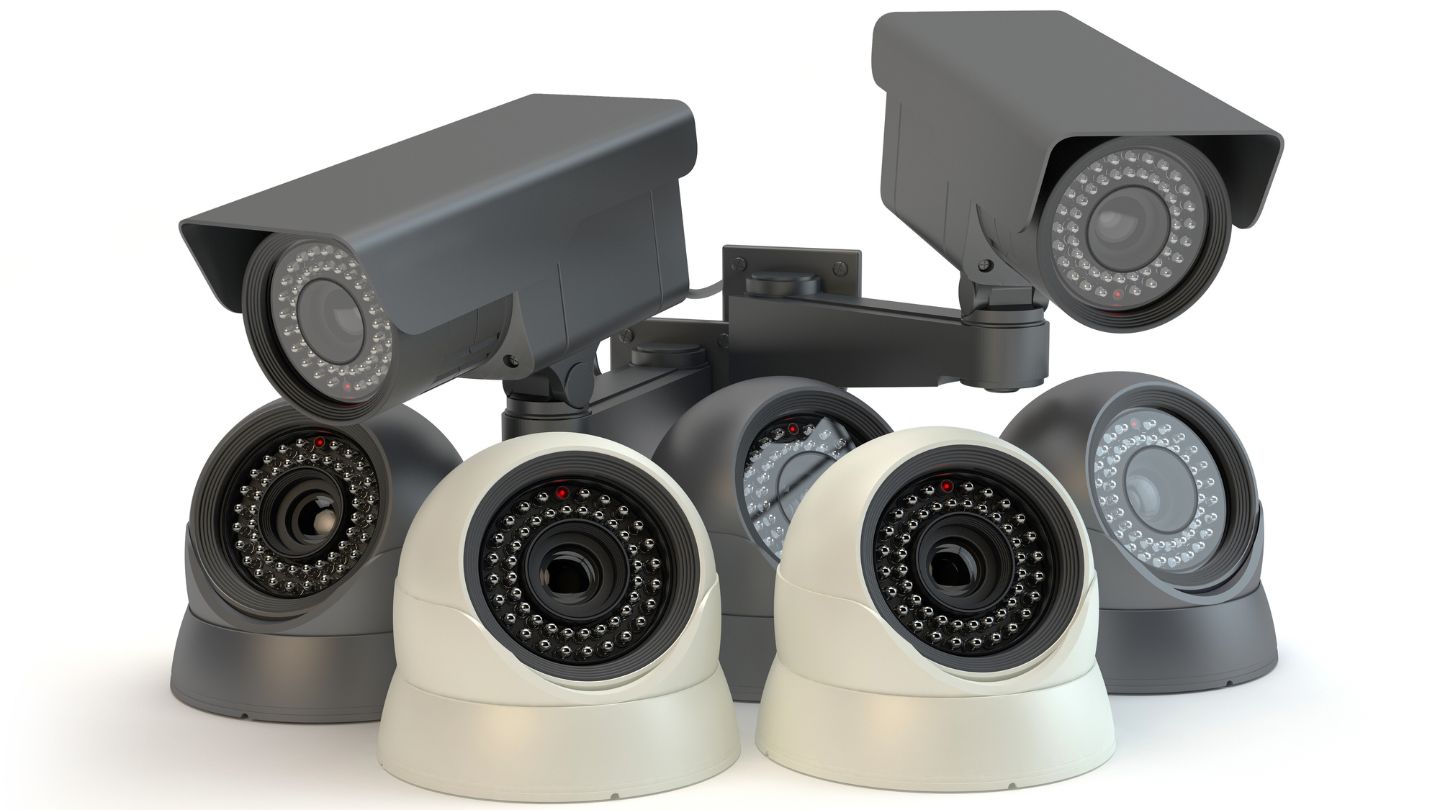
The durability of security cameras is determined by several factors, including the camera’s design, the quality of materials used in its construction, and how it is utilized. Standard security cameras have a lifespan ranging from four to six years. Premium models produced by well-known manufacturers can exceed this average duration because they are built with better-quality components.
Understanding the expected longevity of various types of cameras assists in choosing an appropriate camera system that aligns with your specific security requirements.
Analog Cameras
Analog cameras remain a popular choice for simple surveillance requirements, especially in homes. Their durability can differ based on how often they are used, but they usually continue to function effectively for 5 to 10 years. As technology progresses, there may come a time when an upgrade to newer systems is required because these basic monitoring tools might become outdated.
Even with their straightforward design and operation, many people still favor analog cameras because of their dependable performance and user-friendly nature.
IP Cameras
IP cameras, renowned for their advanced features and high-quality imagery, typically endure through two NVR cycles, with each cycle lasting between three to five years. Compared to their analog counterparts, these cameras deliver substantial benefits, including remote accessibility, compatibility with various security systems, and footage of a higher resolution.
Their extended operational life span and cutting-edge functions often warrant the investment in IP cameras.
PTZ Cameras
PTZ cameras, which come with mechanical parts enabling movement and zoom capabilities, offer extensive surveillance coverage. These components are more susceptible to wear and tear, often leading to a reduced lifespan for the cameras when compared to their fixed-lens counterparts.
Even though PTZ cameras may not last as long due to this increased physical strain on their moving parts, they remain crucial in scenarios where broad surveillance reach and adaptable monitoring are essential.
Signs It’s Time to Replace Your Security Cameras
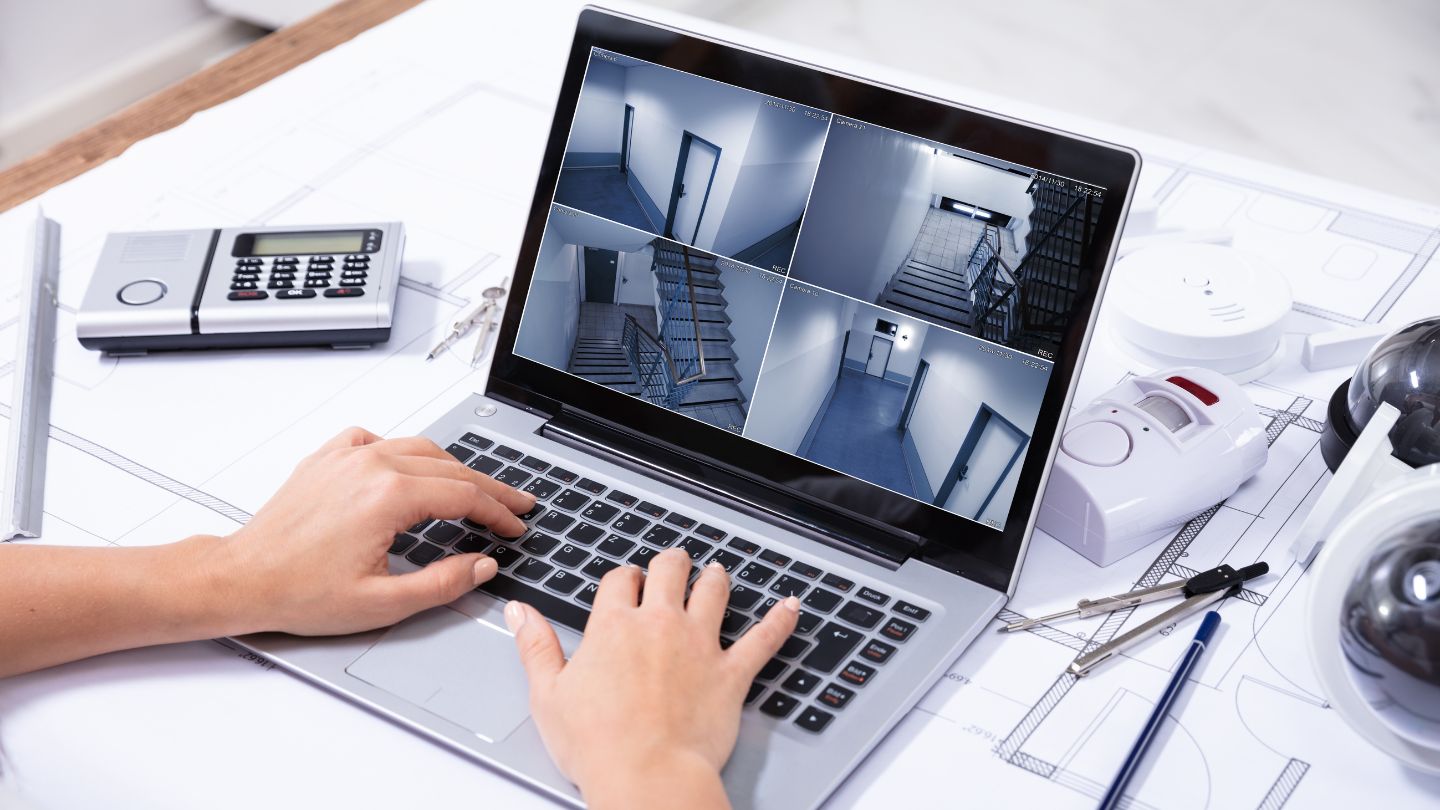
Like all technological tools, security cameras, at some point, necessitate an upgrade. Principal signs that they need to be replaced include diminished image quality, regular breakdowns, and antiquated technology. Identifying these indicators promptly is crucial for sustaining the operational integrity of your surveillance system and guaranteeing uninterrupted security.
Degraded Image Quality
Accurate threat identification and efficient surveillance rely heavily on high-quality video footage. When surveillance camera footage is compromised by substandard camera resolution, inadequate lighting conditions, or filthy lenses, it greatly impedes the effectiveness of the monitoring efforts.
It becomes evident that there’s a need for an upgrade when the deterioration in image quality makes it impossible to distinguish facial characteristics or read license plates from camera footage.
Frequent Malfunctions
Consistent problems with your security cameras signal that a replacement is necessary. Issues such as flickering or horizontal lines in the camera feed, often stemming from interference caused by surrounding lights, along with grainy video resulting from electrical disturbances or faulty cables, are common signs of malfunction. If cameras frequently fail to transmit a video feed or consistently show a black screen, this might suggest they have internal damage or suffer from power-related troubles.
Acting swiftly to resolve these issues is crucial for ensuring the dependability of your security system.
Outdated Technology
With the advancement of technology, security camera systems that once were cutting-edge can fall short of meeting current demands for safety and surveillance. Outdated cameras often suffer from a narrow field of view, an inability to differentiate between routine and potentially harmful behavior, and limited functionality when it comes to overseeing areas.
Contemporary models equipped with artificial intelligence and remote viewing features deliver substantial enhancements over their predecessors. As such, it is beneficial to regularly evaluate and consider upgrading your security camera equipment to ensure optimal performance.
Best Practices for Prolonging the Lifespan of Security Cameras

Ensuring the longevity of your security cameras hinges on adhering to optimal practices. Maintaining cleanliness, consistently updating firmware, and opting for professional installation will markedly improve both the resilience and functionality of your monitoring system.
Adopting these strategies is imperative to preserve the operational efficiency and efficacy of your cameras over an extended period.
Regular Cleaning and Inspection
It is crucial to perform consistent cleaning and inspection to preserve the functionality of security cameras. Keeping lenses and casings free from dust and debris helps maintain optimal image quality, preventing any visual obstructions. Regular checks should be conducted for indications of damage or deterioration, particularly with outdoor cameras that endure extreme weather.
To maintain a pristine dome cover, it’s recommended to use a soft microfiber cloth paired with an ammonia-based cleaner or simply opt for a mild detergent mixed with water. This practice not only keeps the cover clean but also enhances the sharpness of images captured by the cameras.
Firmware and Software Updates
Maintaining the performance and security of cameras can be achieved through regular updates to their firmware and software. These updates not only enhance the camera’s functionality but also patch vulnerabilities, thus safeguarding the devices from emerging threats while ensuring they function at their best.
By routinely updating your surveillance system, you adopt a straightforward yet potent strategy for prolonging its operational life.
Professional Installation and Support
Certified technicians are essential in guaranteeing that security cameras are properly installed and securely affixed, ensuring they’re strategically placed for optimal surveillance coverage. Utilizing local dealers for installation not only provides swift support but also ensures a deeper understanding of the system’s operation.
The benefit of professional help extends beyond just the initial setup. It includes continued assistance to resolve any potential problems with the cameras, maintaining their effectiveness over time.
Storage Considerations for Security Camera Footage

Effective surveillance is highly dependent on the appropriate preservation of security camera footage. Storage solutions such as Network Video Recorders (NVRs), cloud storage, and dedicated local devices for security camera storage each come with their own sets of advantages and challenges pertaining to aspects like CCTV camera storage capacity and the duration for which security camera footage can be retained.
Grasping the nuances among these options is essential in identifying a storage solution that aligns best with one’s specific requirements.
Network Video Recorders (NVRs)
Network video recorders (NVRs) are engineered to handle and store footage produced by IP cameras, providing an advantage in storage capacity over conventional DVR systems. It’s important to take into account the supported number of camera channels a network video recorder can accommodate, which may vary from 4 to 128 channels, alongside compatibility with cameras and its ability to hold data.
The superior storage capabilities of NVRs make them particularly suitable for managing extensive amounts of camera footage.
Cloud Storage Options
Access to security footage through cloud storage facilitates the monitoring of your property from any location with internet availability, which provides convenience and oversight. Nevertheless, one must be aware of the potential for data breaches and issues regarding privacy that can arise.
It is essential when choosing a provider for cloud storage to evaluate their measures for safeguarding data, the amount of storage capacity offered, cost considerations, and how well it integrates with your existing camera system in order to ensure both security and functionality.
Read More: Benefits Of Cloud Computing For Business Growth
Local Storage Devices
Local storage devices, such as SD cards, external hard drives, or Network Attached Storage (NAS), offer quick access to your security footage. They are also utilized to hold footage from video surveillance cameras. While these options are useful for smaller systems, they can be vulnerable to physical damage or theft, which could result in the loss of important footage.
For local storage space, ensure regular backups are conducted to mitigate the risks of data loss. Monitoring storage capacity and performing periodic checks on local storage devices are essential practices to ensure the security and availability of your footage.
Summary
Grasping the lifespan of security cameras and the elements that affect them is essential for sustaining a reliable surveillance system. By engaging in regular maintenance, performing timely firmware updates, and utilizing appropriate storage practices, you can greatly enhance the durability and dependability of your security cameras.
Jett Business Technology specializes in delivering top-tier IT services in Atlanta, ensuring your security systems are expertly managed and maintained for peak performance and extended lifespan. Our team of experienced professionals will work closely with you to create a customized plan that meets your specific needs and budget. We proudly serve clients in Alpharetta, Marietta, Cumming, Duluth, Johns Creek, and Lawrenceville, providing tailored local expertise.
Contact us now to revolutionize your security strategy!
Frequently Asked Questions
How can I tell if my security cameras need to be replaced?
Look for signs such as poor image quality, frequent malfunctions, or outdated technology. If the cameras no longer meet your security needs, it’s time for an upgrade.
Can extreme weather conditions damage my security cameras?
Yes, harsh weather like intense heat, cold, rain, or snow can shorten the lifespan of your cameras, especially if they’re not designed to withstand these elements.
How often should I clean my security cameras?
Regular cleaning is key, especially for outdoor cameras. Cleaning every few months ensures the lenses remain clear of dust, dirt, and debris, which can affect image quality.