Navigating the cloud computing model landscape can be challenging, especially when understanding the distinctions between SaaS (Software as a Service) and PaaS (Platform as a Service). Both cloud computing service models offer unique benefits, and choosing between them can greatly impact your business’s IT strategy. In this blog, we’ll explain the differences, advantages, and best use cases for SaaS and PaaS to help you make an informed decision that supports your company’s growth.
Key Takeaways
- SaaS delivers ready-to-use software applications over the Internet, which is ideal for companies that need simplicity and cost-effectiveness.
- PaaS provides a robust development framework that enables teams to build, test, and deploy custom applications, making it perfect for companies requiring flexibility and customization.
- The choice between SaaS and PaaS depends on your business’s specific needs: opt for simplicity with SaaS or a customizable platform with PaaS.
Understanding Cloud Computing Service Models
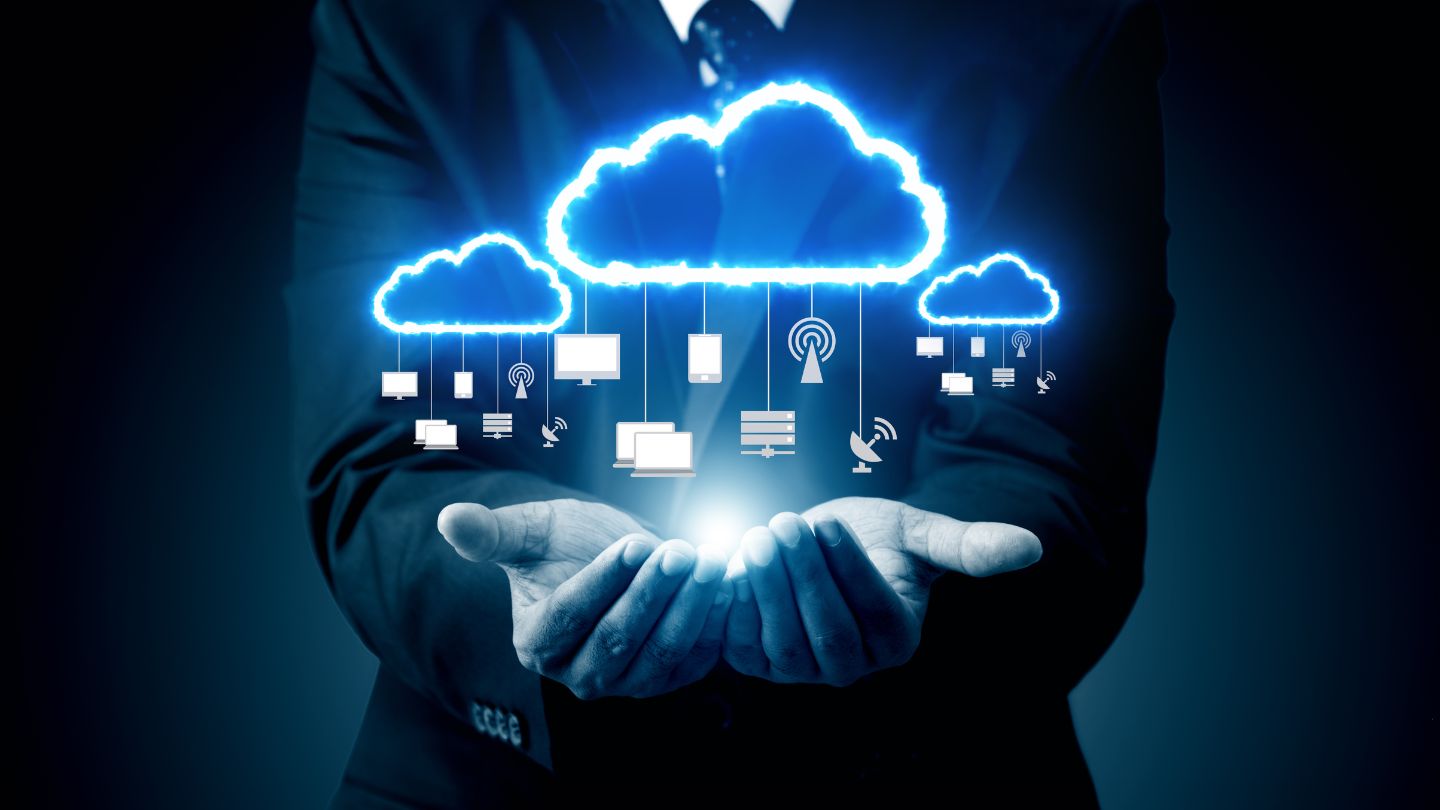
Cloud computing services have transformed the way businesses manage IT by providing on-demand resources over the Internet. This pay-as-you-go approach offers flexibility, scalability, and cost-effectiveness, allowing companies to focus on core activities. Cloud service models, known collectively as IaaS, PaaS, and SaaS, provide different levels of functionality and control, empowering businesses to optimize their digital strategies and remain competitive.
| Cloud Model | Description | Ideal For |
| IaaS (Infrastructure as a Service) | Delivers essential computing infrastructure, such as virtual machines and storage, without physical hardware maintenance. | Companies need control over their own cloud infrastructure. |
| PaaS (Platform as a Service) | Provides a complete environment for app development and deployment without managing the underlying infrastructure. | Teams looking for customizable tools to deploy applications and manage software resources. |
| SaaS (Software as a Service) | Offers software applications over the Internet, often on a subscription basis, with providers managing software updates and security patches. | Businesses need ready-to-use applications without infrastructure management. |
What is SaaS?
Software as a Service (SaaS) is a cloud-based service that delivers software applications through an internet connection on a subscription basis. The SaaS provider manages the underlying operating system, software updates, and data security, allowing businesses to focus on operations rather than infrastructure. Common SaaS applications include CRM systems, productivity tools, and email platforms. SaaS is typically accessed through a web browser, making it easy for multiple users to scale according to the business’s needs. However, SaaS apps can have disadvantages, such as data security concerns, limited customization options, and potential interoperability issues with existing applications.
Benefits of SaaS Applications
- Cost-Effective: SaaS reduces IT costs with predictable subscription pricing.
- Automatic Updates: Providers handle updates, ensuring applications stay current and secure.
- Data Security: SaaS providers implement strong security patches, allowing businesses peace of mind.
- Quick Deployment: SaaS applications are ready to use, providing immediate access to essential tools.
These advantages make SaaS a popular choice for companies seeking efficient, user-friendly software solutions.
When to Use SaaS?
SaaS is ideal for businesses needing quick access to software applications without the responsibilities of installation, maintenance, or infrastructure management. This model is beneficial for organizations aiming to streamline operations, reduce IT costs, and enhance productivity with minimal setup time. When considering SaaS vs. PaaS, it’s important to evaluate your business needs and determine whether managed IT services or a customizable platform is more suitable.
Common use cases for SaaS include tools for customer relationship management, enterprise resource planning, and productivity software, which help improve operational efficiency and streamline workflows.
What is PaaS?
Platform as a Service (PaaS) is a cloud model that provides a robust environment for application development and deployment. With PaaS, companies can build, customize, and deploy applications without managing on-premise infrastructure. This model streamlines development by offering essential tools and resources in a fully managed, secure environment, enabling teams to focus on app development. PaaS providers manage scalability and security, making PaaS ideal for companies looking to develop custom applications.
Benefits of PaaS
- Accelerated Development: Built-in development tools allow faster development and quicker time to market.
- Enhanced Collaboration: Remote teams can collaborate effectively, boosting productivity.
- Reduced Maintenance: The provider manages infrastructure, letting developers focus on design and deployment.
- Cost Savings: A pay-as-you-go model reduces expenses related to physical servers and computing infrastructure.
- Scalability: Resources can be adjusted to meet changing demands without the need for additional hardware.
These benefits make PaaS an excellent choice for businesses aiming to deploy consumer-facing apps, manage app updates efficiently, and develop highly scalable applications.
When to Use PaaS?
PaaS is ideal for companies requiring a platform for developing, running, and managing applications without traditional IT constraints. It offers a scalable environment that allows development teams to concentrate on app design, testing, and deployment without the burden of managing extensive infrastructure.
PaaS solutions provide the flexibility and resources necessary to meet the needs of businesses developing web applications, mobile applications, and enterprise software.
Key Differences Between SaaS and PaaS in Cloud Computing

To determine which model is the best fit, it’s essential to understand the unique features and use cases for each:
| Feature | SaaS | PaaS |
| Functionality | Ready-to-use software applications for end-users needing minimal customization. | A platform for developers to create, test, and deploy applications with flexibility. |
| Customization | Limited, focusing on ease of use and maintenance. | Extensive, allowing developers to tailor applications. |
| Pricing Model | Subscription-based, often per user. | Usage-based, billed according to resources consumed. |
| Target Audience | Businesses needing off-the-shelf solutions. | Development teams looking for a customizable environment. |
Understanding SaaS vs. PaaS is crucial for making an informed decision that aligns with your business needs.
Choosing Between SaaS and PaaS
Choosing between SaaS and PaaS depends on several factors:
- Company Size and Expertise: Consider the technical skills and size of your team when selecting a model.
- Application Needs: Determine if you need ready-to-use software or a platform for custom development.
- Cost-Effectiveness: Evaluate both initial and ongoing costs to align with your budget.
- Infrastructure Management: Decide if you prefer handling infrastructure internally or relying on a provider to manage scalability and updates.
- User Experience: Think about the level of customization your business processes require.
Consider the reliability and reputation of our cloud service provider when making your decision. By evaluating these factors, you can choose the model that best aligns with your business objectives and operational needs, ensuring that our solutions meet your expectations and drive your success.
Read more: How to Choose the Right Cloud Service Provider
Conclusion
Understanding the differences between SaaS and PaaS is essential for shaping an effective cloud computing strategy. SaaS solutions offer user-friendly, ready-made applications, making them ideal for businesses prioritizing simplicity and cost-effectiveness. In contrast, PaaS provides a flexible environment for custom development, making it the perfect choice for companies with unique software needs.
With over 20 years of expertise in cloud computing for businesses near Atlanta, JETT Business Technology is here to simplify your cloud journey. We also offer services in Alpharetta and Marietta, bringing tailored solutions closer to you. From IT setup and cloud services to cybersecurity and project management, we provide tailored, reliable solutions that drive your success. Ready to elevate your tech landscape? Contact us to get started.