

Smishing, or SMS phishing, is a scam where attackers use text messages to steal personal information. This article will explain what is smishing, how it works, and how to protect yourself.
Key Takeaways
- Smishing, or SMS phishing, is a cyber-attack that tricks individuals into revealing sensitive information through deceptive text messages, often impersonating legitimate organizations.
- Common tactics include creating urgency, impersonating known entities, and offering enticing rewards, making it crucial for users to identify suspicious signs in messages.
- To prevent smishing, individuals should avoid clicking dubious links, verify senders independently, and utilize security measures like two-factor authentication and anti-malware software.
Understanding Smishing (SMS Phishing)
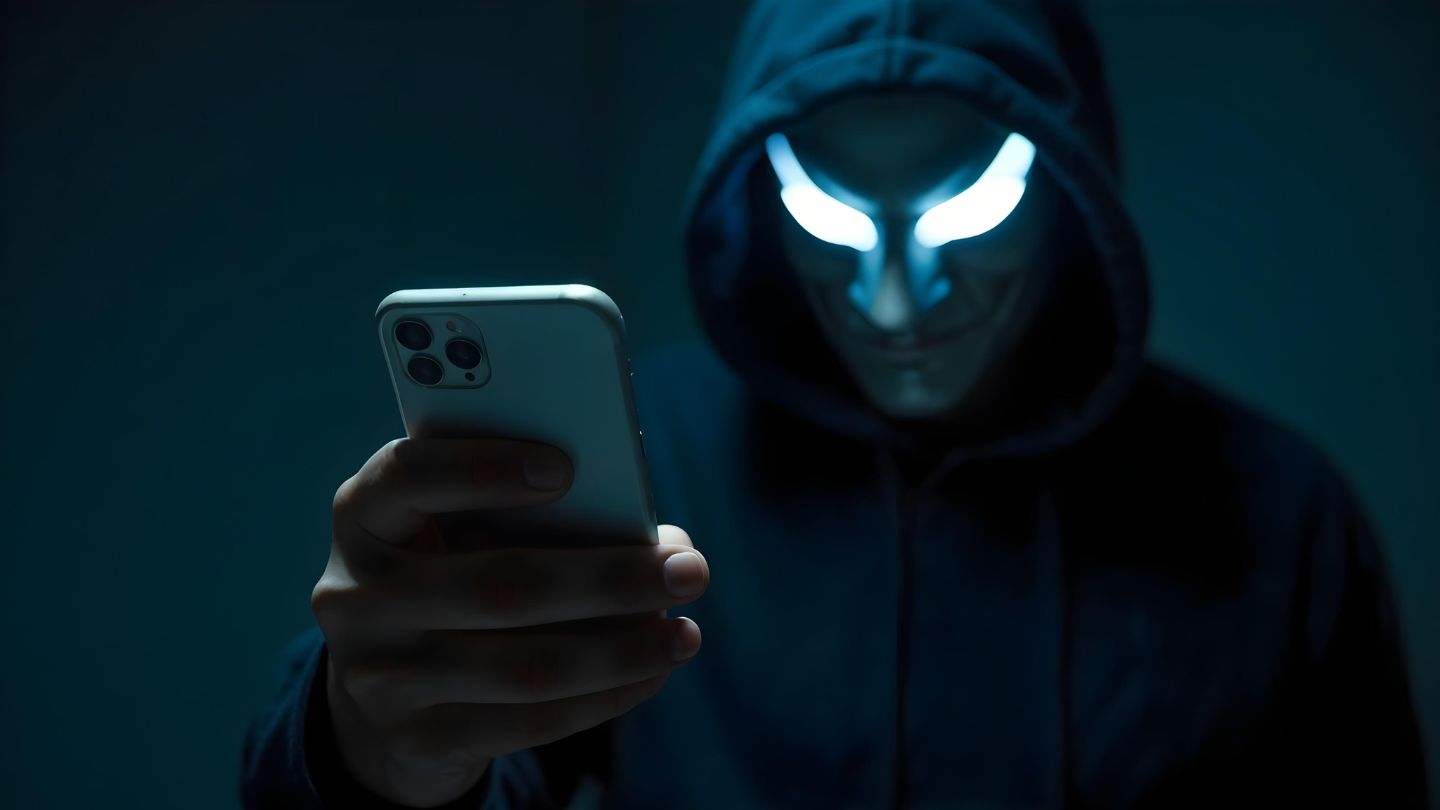
Smishing attacks, a form of SMS phishing, exploit text messages via the short message service to swindle individuals into revealing sensitive information. These assaults capitalize on the directness and perceived safety net of text messaging by sending deceitful texts that masquerade as reputable sources or known contacts.
The ultimate aim of smishing is to gain unauthorized access by extracting personal or sensitive data. Cybercriminals use social engineering tactics like creating urgency or offering tempting incentives to trick victims into revealing private information. Messages may range from urgent account problem alerts to irresistible offers, but the goal is always to obtain confidential details such as login credentials and financial information.
Awareness of smishing threats strengthens our defenses against these malicious tactics. Understanding and distinguishing smishing from other phishing types enhances our ability to detect and prevent potential breaches, ensuring the security of sensitive data.
How Smishing Attacks Work
Cybercriminals initiate smishing attacks by obtaining mobile phone numbers through data leaks or other methods. With a list of potential victims, they send deceptive text messages to trick individuals into revealing private information. These messages often use social engineering tactics like impersonating legitimate entities, creating false urgency, or offering attractive deals.
Psychological manipulation is key in smishing. Perpetrators exploit emotional triggers to drive recipients towards impulsive actions without proper consideration—like responding to an alarming notification about unauthorized activity on a bank account. This approach combines technological deception with psychological pressure, making smishing particularly dangerous.
Victims of smishing risk identity theft and financial fraud. Cyber thieves can deplete bank funds or establish new credit lines under the victim’s identity. Understanding how smishing works is crucial for protecting oneself from these threats.
Common Types of Smishing Attacks
Various tactics are employed in smishing attacks, each designed to trick victims through deception. A typical method is by masquerading as reputable organizations or individuals. These attackers dispatch text messages purporting to be from credible entities like banks or courier services, requesting recipients confirm their account details or address dubious charges. The inclusion of official logos and branding elements within these messages enhances the illusion of authenticity.
Smishing messages often warn about unauthorized access to an individual’s account, urging them to click a link for verification under the guise of security measures. This tactic exploits the victim’s fear, especially during tax season, with promises of refunds or warnings about penalties, prompting hasty disclosure of personal information.
Prize and lottery scams are also common, where cybercriminals inform targets of winning prizes but require personal data or payment upfront to claim winnings. The allure of quick gains makes this tactic enticing.
Tech support scams involve notifications about alleged technical issues with the recipient’s device, directing them to call customer service numbers or visit specific websites. This aims to extract sensitive information or install malicious software.
Recognizing these tactics is essential to evade smishing schemes.
Key Examples of Smishing Attacks

Prime examples of smishing attacks reveal common strategies. Victims might receive texts from entities posing as their bank, warning of unauthorized activity and prompting them to click a link to confirm their identity. These scams exploit fear to extract banking information.
Another common scenario is the tech support scam, where individuals receive texts about issues with their device, directing them to call a number or visit a website. This tactic aims to extract sensitive data or install harmful software by exploiting fears about technological security.
These examples highlight the deceptive nature of smishing and underscore the importance of awareness and caution. Recognizing these tactics is crucial for preventing the compromise of personal information.
Identifying Smishing Messages
Detecting smishing messages is vital to prevent attacks. Signs of smishing include unexpected or suspicious messages, urgency, or limited-time offers. These texts may demand immediate action with threats like account closures or lure victims with prize promises—behaviors uncharacteristic of legitimate businesses that do not solicit sensitive information through text messages.
Examine messages for red flags such as odd phone numbers, missing company names, or links leading away from official sites. A supposed bank communication from an unfamiliar number or containing dubious URLs should raise alarms and likely be part of a smishing scheme. Confirm legitimacy by contacting the company directly using known contact details.
Awareness and attentiveness to these signs help defend against attempts to obtain personal details through deceptive texts. Taking time to scrutinize suspicious messages is crucial in protecting sensitive information from smishing strategies designed to prompt quick, unconsidered responses.
Preventing Smishing Attacks

To fend off smishing attacks, blend alertness with preventive actions. Avoid engaging with suspicious links and verify the origin of messages. For example, if you receive a message urging you to fill out forms or click on links related to refunds or account reactivations, be cautious—they may be fraudulent. Independently find contact details for the purported company to confirm legitimacy.
Secure your mobile devices with anti-malware applications and two-factor authentication. Organizations should educate their staff on identifying dubious communications to enhance security.
A comprehensive strategy combining technological defenses, corporate policies, and individual awareness is crucial in thwarting smishing attempts. Staying informed on potential risks and adopting proactive safeguards can significantly reduce susceptibility to such attacks.
What To Do If You Fall Victim to Smishing

If you become a target of a smishing attack, it’s imperative to act swiftly to limit harm. Immediately update the passwords and PINs for potentially affected accounts to block Unauthorized access. Vigilantly monitor your financial statements and online activities on your online profiles for any irregularities.
Implementing a credit freeze is also an effective strategy in thwarting additional identity theft attempts. This action significantly impedes cybercriminals’ ability to initiate new credit lines under your name.
Promptly reporting suspected smishing attempts can lead to quicker responses and minimize potential damage. Notify your financial institution and other relevant entities about the security incident so they can take necessary precautions.
Executing these measures is crucial in diminishing the severity of a smishing attack while safeguarding your personal information from being misused by nefarious individuals or groups.
The Role of Businesses in Combatting Smishing
Companies have a significant responsibility in safeguarding their employees and clients against smishing attacks. Establishing frequent and current educational programs to instruct staff on detecting and handling potential smishing incidents is crucial.
Collaborating with cybersecurity specialists can enhance an organization’s resilience to smishing threats by providing insights and tools to spot and address vulnerabilities, thereby preventing breaches.
Read more: What You Need to Know About Backdoor Attacks in Cybersecurity
By adopting these measures, companies create a more secure environment for both employees and clients, reducing the risk of falling victim to smishing scams.
JETT Business Technology: Your Partner in Cybersecurity
JETT Business Technology delivers dependable IT support and cybersecurity services designed to shield businesses from various cyber threats. Their focus on IT security encompasses a deep proficiency in defending against smishing attacks as well as other types of cyber incursions.
To guard client data effectively, JETT employs forward-looking strategies aimed at thwarting smishing attacks. They deploy cutting-edge protective measures and consistently update security software to combat the ever-changing landscape of digital dangers. Their continuous support packages are crafted to preemptively address issues that could disrupt business processes.
Engaging with JETT Business Technology empowers companies to reinforce their defense mechanisms and ensure the safety of their sensitive information from an array of cyber risks.
Summary
In essence, the rise of smishing poses a significant risk as it manipulates individuals through text messages to obtain confidential data. It is crucial for individuals to understand the mechanisms behind smishing attacks, recognize their various forms, and learn strategies to prevent them. This knowledge helps not only protect themselves but also secure personal information against these cyber threats. Companies play a pivotal role in this battle by educating their workforce and implementing stringent cybersecurity protocols.
Adapting continuously to new cyber threats is essential for safeguarding both individual and corporate information assets. Vigilance and a proactive approach to security—alongside collaboration with specialists such as JETT Business Technology, providers of managed IT services in Atlanta—are critical measures that significantly reduce the likelihood of falling victim to smishing schemes.