
Wondering how IT support services reduce downtime and boost productivity? They achieve this by resolving technical issues quickly and keeping systems running smoothly. In this blog, you’ll discover how proactive monitoring, rapid response, and scheduled maintenance play crucial roles in minimizing disruptions and enhancing efficiency.
Key Takeaways
- IT support services minimize downtime through proactive monitoring, rapid issue resolution, and regular maintenance, leading to enhanced operational efficiency.
- Effective IT support boosts employee productivity by providing essential tools, minimizing disruptions, and enhancing remote work capabilities.
- Customized IT solutions and disaster recovery planning are vital for maintaining business continuity and adapting to changing market demands.
The Role of IT Support in Reducing Downtime
Ensuring minimal downtime is essential for maintaining operational efficiency and consistent output. IT support services enhance system performance through proactive monitoring, swift issue resolution, and scheduled system maintenance. These measures prevent disruptions and uphold reliable operations across all business functions.
Timely identification and resolution of issues ensure continuity, helping businesses maintain momentum even during unexpected technical challenges.
Proactive Monitoring for Early Issue Detection
With continuous oversight of infrastructure and network performance, proactive monitoring identifies anomalies before they escalate. Advanced analytics and automated alerts play a central role in preempting service disruptions, enabling early intervention.
This process minimizes performance degradation and helps maintain steady productivity levels without interruption.
Rapid Response to Technical Issues
Immediate action on IT incidents limits operational delays and enhances user satisfaction. Rapid response capabilities ensure that support is available when needed, enabling seamless issue resolution and business continuity.
Professional support services are structured to deploy resources swiftly, significantly improving time-to-resolution and maintaining service quality during incidents.
Scheduled Maintenance and Updates
Regularly scheduled updates and system maintenance reduce the risk of downtime and performance issues. Predictive analytics help identify hardware or software vulnerabilities, allowing for timely repairs and upgrades during planned maintenance windows.
This structured approach ensures that IT systems remain stable, secure, and aligned with operational demands.
Boosting Employee Productivity with IT Support

A well-supported IT environment enhances workforce efficiency by reducing disruptions and enabling seamless workflows. By delivering reliable tools, responsive troubleshooting, and remote work infrastructure, IT support plays a pivotal role in maximizing employee output and minimizing lost time.
Structured support models ensure businesses can maintain productivity across both in-office and remote teams.
Providing Essential Tools and Technologies
Access to purpose-built tools and up-to-date software platforms empowers employees to operate at peak efficiency. These technologies support collaboration, automate routine tasks, and foster agile project execution.
Empowering the workforce with integrated IT ecosystems also contributes to morale and operational consistency.
Minimizing Disruptions and Technical Downtime
Fast resolution of IT issues reduces work delays, allowing teams to remain focused on core responsibilities. Responsive support models ensure staff receive timely assistance, which sustains daily operations and reduces workflow bottlenecks.
Support teams also equip remote workers with secure, business-grade resources to ensure uninterrupted performance across hybrid environments.
Enhancing Remote Work Capabilities
IT support plays a critical role in enabling remote work through secure access, real-time collaboration tools, and network stability. Employees benefit from seamless access to enterprise systems, regardless of location.
With the right infrastructure and technical support, remote work becomes a reliable extension of daily business operations.
Leveraging Technology to Streamline Operations
IT integration enhances operational performance across industries by improving resource management, process automation, and workflow coordination. Technologies such as cloud computing, predictive maintenance systems, and centralized dashboards simplify complex tasks and reduce inefficiencies.
Well-managed IT services enable businesses to stay responsive, cost-efficient, and scalable in the face of evolving demands.
Automating Repetitive Tasks
Automation eliminates time-consuming manual activities, freeing teams to focus on higher-value strategic initiatives. Repetitive administrative processes—such as data entry, scheduling, or system checks—can be streamlined with the use of digital workflows and automation platforms.
This shift in task allocation increases agility and accelerates decision-making.
Integrating Systems for Seamless Operations
Integrated IT ecosystems eliminate silos by connecting business applications, systems, and data sources into a single interface. This facilitates real-time data flow, improving visibility, coordination, and responsiveness across teams and departments.
Such unification leads to better resource planning and fewer operational delays.
Utilizing Cloud-Based Solutions
Cloud-based infrastructure allows businesses to scale resources based on demand while reducing capital expenditure on hardware. These platforms offer built-in redundancy, remote access, and faster deployment of updates, making them vital for agility and cost-efficiency.
Cloud technology also simplifies data storage, disaster recovery, and team collaboration.
Enhancing Data Security and Compliance
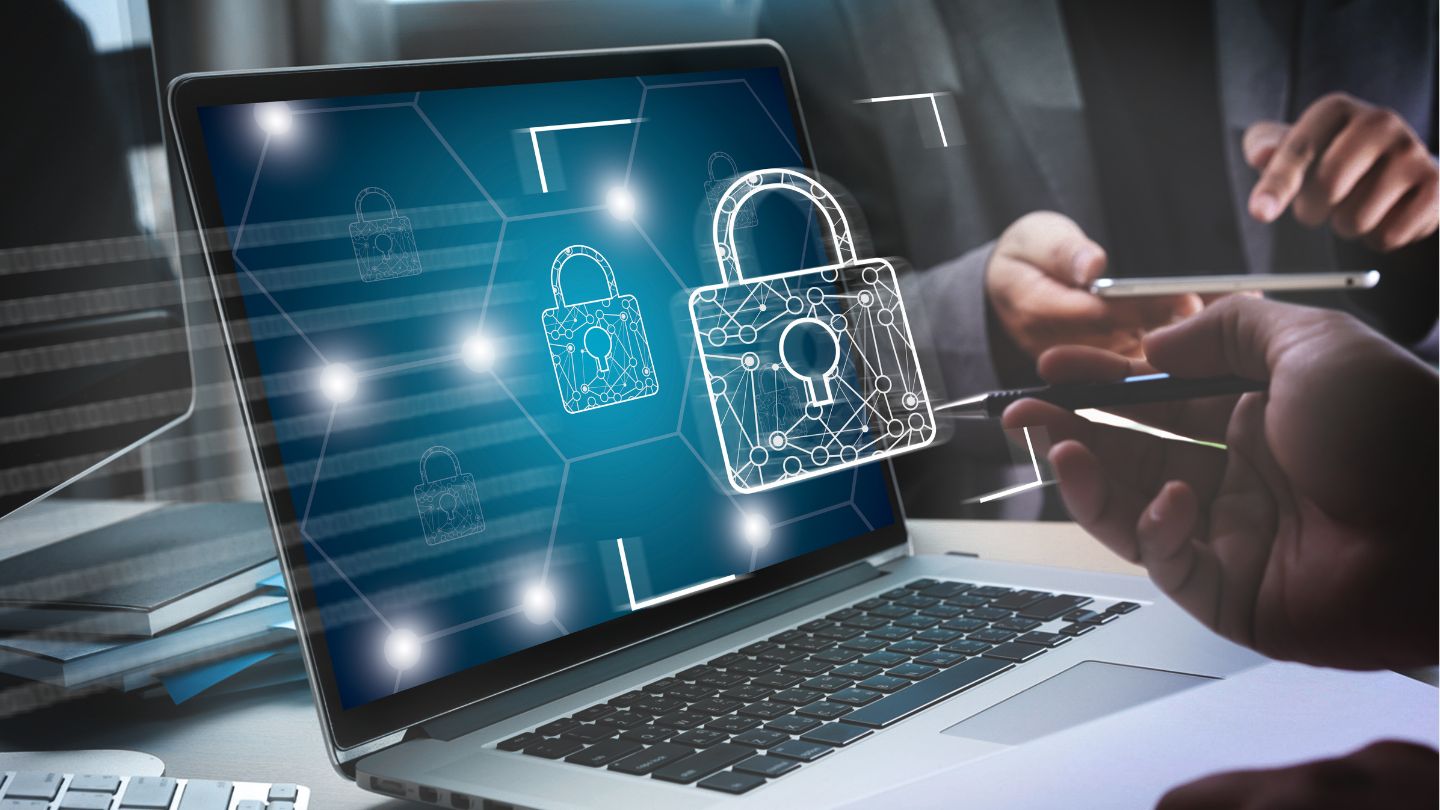
A robust cybersecurity posture is essential to protect data assets, prevent breaches, and maintain trust. IT support services implement layered defenses while ensuring adherence to compliance standards such as HIPAA, GDPR, or industry-specific guidelines.
Maintaining regulatory alignment also reduces legal risk and supports long-term business credibility.
Implementing Robust Cybersecurity Measures
Modern cybersecurity strategies include threat detection, system hardening, and continuous monitoring. Critical infrastructure is secured using firewalls, endpoint protection, encryption protocols, and intrusion detection systems.
Routine vulnerability scans and security audits fortify systems against emerging threats.
Ensuring Regulatory Compliance
Compliance frameworks are upheld by managing data security policies, access controls, and audit trails. IT support ensures policies stay aligned with legal and regulatory requirements through regular system reviews and updates.
Adhering to compliance obligations not only avoids penalties but also reinforces operational trust.
Conducting Regular Security Audits
Routine audits uncover weaknesses in IT infrastructure, ensuring all protective measures are effective. These assessments include risk evaluations, penetration testing, and review of user privileges.
Such reviews reduce the likelihood of data loss and reinforce system resilience.
Custom IT Solutions for Business Growth
Scalable IT services tailored to business goals improve operational performance, innovation capacity, and customer experience. Customized strategies support core initiatives by aligning technology investments with specific objectives.
This alignment enables businesses to innovate faster and maintain a competitive edge.
Tailoring IT Strategies to Business Goals
Every organization requires a tailored approach to IT that reflects its structure, goals, and market pressures. Effective support plans prioritize key projects, address known gaps, and identify future growth enablers.
Strategic IT planning helps organizations pivot quickly and remain aligned with their mission.
Supporting Innovation and New Technologies
By relieving teams of technical burdens, IT services allow companies to focus on development, R&D, or digital product delivery. This shift drives faster innovation cycles and quicker time-to-market.
Adopting new technologies also empowers companies to modernize outdated systems and expand offerings.
Allocating Resources Effectively
Optimized IT frameworks ensure that resources—both human and digital—are used efficiently. High-performance tools, real-time collaboration platforms, and integrated workflows improve coordination while minimizing friction.
Flexible infrastructures like cloud computing also reduce overhead and enable future-ready scalability.
Maintaining Business Continuity
IT support plays a central role in protecting organizations from disruptions through disaster recovery protocols, consistent backups, and rapid-response frameworks. Business continuity depends on preparedness, redundancy, and sustained access to mission-critical data.
Well-established protocols minimize risk and ensure the enterprise remains functional despite unforeseen events.
Developing Comprehensive Disaster Recovery Plans
Structured disaster recovery ensures that systems can be restored quickly following outages, minimizing business interruptions. These plans detail recovery time objectives (RTOs), failover procedures, and resource reallocation strategies.
Effective planning shortens recovery timelines and mitigates financial loss.
Ensuring Reliable Data Backup Solutions
A multi-layered data backup strategy includes cloud replication, off-site storage, and encrypted backups. These safeguards ensure access to data in the event of a breach, hardware failure, or accidental deletion.
Prompt recovery of key assets is essential to preserving business continuity.
Providing 24/7 Support
Round-the-clock IT support ensures rapid incident response and uninterrupted operations. This availability reduces downtime, strengthens customer service, and provides peace of mind across all business hours and locations.
A 24/7 support model reinforces the reliability of the entire technology ecosystem.
Summary
In conclusion, IT support services play an indispensable role in reducing downtime and boosting productivity in today’s digital landscape. Through strategies like proactive monitoring, swift problem-solving, and regular system maintenance, these services ensure a smooth flow of business operations. They empower employees by equipping them with essential tools for efficiency and enhancing remote work capabilities. Leveraging advanced technologies such as task automation and cloud-based systems refines processes and amplifies effectiveness. Robust cybersecurity measures, coupled with adherence to regulatory standards, protect companies from potential data breaches while maintaining ongoing operations. Tailored IT solutions aligned with organizational goals foster progress and innovation. Comprehensive disaster recovery plans, steadfast data backup protocols, and 24/7 assistance ensure business continuity amid unforeseen events, keeping businesses operational at all times.
If you’re seeking IT support in Atlanta, JETT Business Technology is your go-to partner. We understand the critical role that comprehensive IT support plays in driving your enterprise forward. Our services are designed to meet your specific business goals, ensuring you stay ahead of the curve in key areas like Alpharetta, Marietta, Cumming, Duluth, Johns Creek, and Lawrenceville.
Contact us today to discover how we can help propel your business to new heights!
Frequently Asked Questions
How can IT support impact long-term business scalability?
By standardizing systems and integrating scalable solutions, IT support enables businesses to grow without constant infrastructure overhauls.
What’s the link between IT support and employee retention?
Reliable IT systems reduce frustration and downtime, creating a more efficient work environment that supports employee satisfaction and retention.
How does proactive IT support contribute to risk management?
It identifies and addresses vulnerabilities early, preventing data loss, compliance failures, and costly system outages.