
To choose the right IT company in Atlanta, focus on their experience, service offerings, technical skills, and client feedback. This guide will cover these key factors to consider when choosing an IT company in Atlanta to ensure you make the best choice for your business needs.
Key Takeaways
- Prioritize IT companies with extensive industry experience and proven track records to ensure reliability and tailored solutions.
- Look for comprehensive service offerings, including managed IT services and custom software development, to enhance operational efficiency and streamline processes.
- Choose IT firms with strong local market understanding and transparent pricing structures to foster trust and ensure services meet specific regional needs.
Assessing Industry Experience
When selecting an IT company, it’s crucial to evaluate their experience within the industry, particularly among tech companies. Opt for a firm that has a robust track record, as those with significant tenure—such as over two decades—are often more adept at providing reliable service and have established expertise in overcoming various challenges. A company well-acquainted with the Atlanta market will be better equipped to address particular local needs and obstacles effectively.
To gauge their industry expertise, examine both previous work they’ve accomplished and feedback from clients. These elements reflect the company’s ability to achieve business success and fulfill client requirements satisfactorily. While longevity is important, having specific knowledge of IT infrastructure, cloud solutions, and cybersecurity best practices is equally essential. Companies possessing such specialized insights can offer proactive support, streamlined IT strategies, and security solutions designed to safeguard business continuity.
Proven Track Record
The reliability of an IT provider is often reflected in its history of delivering successful outcomes. Reviewing customer testimonials and detailed accounts of prior work can help assess the effectiveness of their development team, providing insights into how their services compare to industry standards. Long-term client relationships often indicate high-quality service and strong collaborative efforts.
For companies delivering managed IT services, success is measured by proactive problem resolution, seamless IT infrastructure management, and robust cybersecurity defenses. Organizations that maintain IT efficiency through preventative maintenance and continuous support tend to build lasting partnerships with their clients.
Another crucial indicator of a company’s success is its ability to integrate with businesses across industries, offering technology strategies that align with specific operational goals. IT firms that have provided consistent, enterprise-grade solutions to industries such as healthcare, finance, legal services, and logistics demonstrate their adaptability and expertise in handling complex IT demands.
Sector-Specific Knowledge
Having experience in a specific industry or field substantially improves the service quality that an IT company can offer. For instance, the IT sector in Boulder is concentrated on domains such as data storage and mobile app development, which demand distinct expertise and abilities. A company that has honed its skills within your specific area of operations will have a sharper understanding of your requirements and provide more impactful solutions.
Possessing knowledge tailored to particular sectors is exceptionally advantageous for businesses functioning within niche markets. These companies are positioned to harness their specialized know-how to deliver customized services aimed at meeting the individual challenges and prospects unique to your industry. This approach not only elevates the quality of service, but also significantly boosts customer satisfaction overall.
Comprehensive Service Offerings
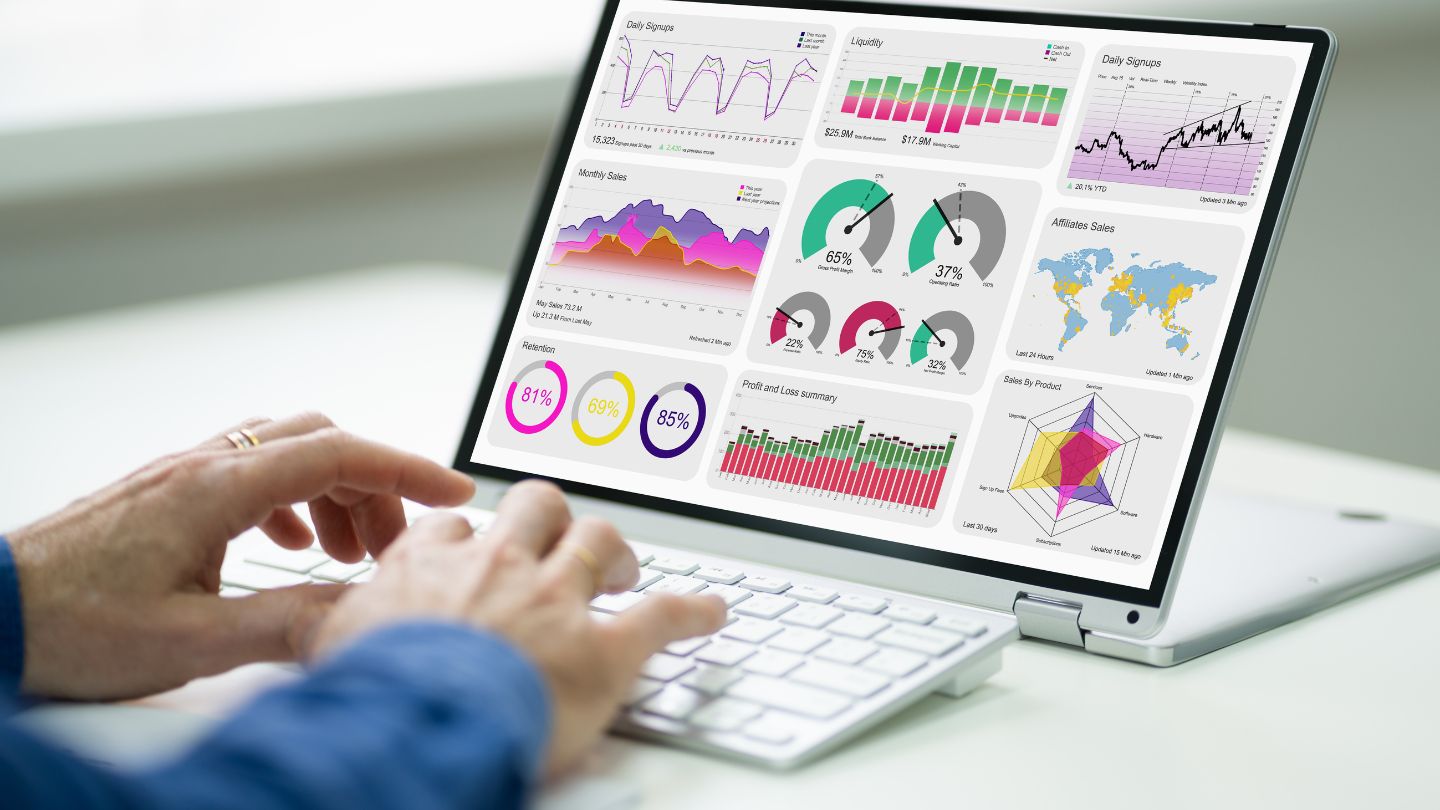
A comprehensive service approach simplifies IT management by reducing the need for multiple vendors while ensuring consistency in technology infrastructure. Businesses that offer full-service IT solutions, including software solutions, can oversee everything from hardware installations to cloud migrations, cybersecurity, and ongoing system support.
An efficient IT strategy should integrate both managed IT services and specialized solutions tailored to the organization’s needs. Reliable IT service providers focus on risk management, disaster recovery, and compliance with industry regulations to protect businesses from costly disruptions and security breaches.
Cloud-based solutions are also a key component of modern IT strategies, allowing organizations to scale operations efficiently. Businesses that implement robust cloud services can optimize workflow, securely store data, and ensure business continuity with minimal downtime.
Managed IT Services
Managed IT services provide businesses with expert technical support, ensuring smooth day-to-day operations while minimizing system failures and security risks. Rather than relying on in-house IT teams for routine troubleshooting, businesses can benefit from a managed services model that includes 24/7 monitoring, proactive issue resolution, and security threat detection.
A managed IT provider delivers cost-efficient solutions, reducing the need for extensive in-house resources while offering scalable IT infrastructure. Effective project management within managed IT services ensures that the right resources are allocated efficiently, minimizing unnecessary costs and enhancing overall service delivery. By outsourcing IT support, businesses can focus on growth strategies without the burden of maintaining technical operations. With expertise in network security, cloud management, and IT compliance, managed service providers enable businesses to operate efficiently without unexpected disruptions.
Employing a structured managed IT strategy eliminates the complexity of dealing with multiple vendors and ensures a single point of contact for all technology needs. This results in improved security, streamlined operations, and enhanced IT resilience.
Custom IT Solutions
Businesses often require customized IT solutions, including web development, to optimize operational efficiency, secure data, and enhance user experience. Custom IT solutions involve integrating specialized software, cloud infrastructure, and security measures tailored to business requirements.
IT professionals work closely with businesses to develop technology strategies that align with their industry’s needs. Whether implementing advanced cybersecurity protocols, designing scalable cloud environments, or deploying automation tools to enhance efficiency, tailored solutions ensure organizations remain competitive in a rapidly evolving digital landscape.
Incorporating industry-specific IT solutions enables companies to address sector challenges with precision. For example, businesses in healthcare require compliance-driven cybersecurity strategies, while manufacturing firms need robust network infrastructure to manage supply chain logistics. Custom IT solutions ensure technology investments are aligned with business goals.
Technical Expertise and Certifications
An IT company’s ability to deliver top-tier services is directly influenced by its technical expertise and industry certifications. Professional IT teams undergo rigorous training and hold relevant certifications that validate their ability to manage cybersecurity threats, cloud services, IT infrastructure, and web design.
Hiring IT professionals with recognized certifications ensures compliance with industry regulations and security standards. IT service providers that employ certified professionals demonstrate their commitment to staying ahead of evolving technological challenges.
Beyond certifications, businesses should look for IT firms that integrate the latest technology solutions into their offerings. Advanced cybersecurity tools, AI-driven automation, and cloud-based security frameworks enhance IT performance and ensure data protection against cyber threats.
Certified Professionals
Acquiring IT certifications sets job applicants apart in a bustling employment landscape, increasing their appeal to those making hiring decisions. Firms frequently mandate such credentials to confirm that individuals are equipped with the specific skills needed for particular technological roles, especially when dealing with specialized technologies or intricate IT frameworks.
Individuals who attain these certifications not only solidify their own job stability by demonstrating an eagerness to maintain up-to-date abilities, but also aid in propelling their careers forward by signaling to supervisors their dedication to personal growth. This commitment benefits not just the employee, but also elevates the caliber of IT solutions provided by the employer.
Companies endowed with certified personnel enjoy an advantageous position over competitors as there is typically a link between certification and superior work proficiency and outcomes. Companies often experience tangible benefits from supporting staff efforts towards achieving certifications, which translates into enhanced service quality and greater customer satisfaction. The presence of accredited experts within an organization underscores its ability to deliver exceptional IT services.
Advanced Technology Solutions
Incorporating AI and other emerging technologies greatly improves the capabilities of IT services. For example, AI has the ability to augment customer service by enabling automated replies and simplifying the management of content. Accessing specialized skills and knowledge when needed is key for successful IT functions.
For IT companies aiming to boost their innovation and efficiency, employing cutting-edge technology is essential. By keeping up with the latest technological developments, these companies can offer more effective and creative solutions that address changing customer requirements. This enhances not only the quality of service, but also guarantees clients access to top-tier technology solutions.
Client-Centric Approach

It’s essential for IT companies to focus on the specific requirements of their clients in order to offer bespoke technology solutions that improve service provision. The team based in Atlanta stands out by offering personalized assistance through actual human interaction, ensuring customer questions and issues are attended with a personal touch.
Leveraging digital platforms and cutting-edge technological innovations allows these companies to fulfill client expectations more efficiently. Positioned as a reliable partner in digital technology and creativity, the company surpasses conventional IT services by employing strategic thought processes along with inventive approaches. This partnership propels organizational triumph through skilled use of digital marketing across various online platforms.
Tailored IT Consultancy
Managed IT services provide businesses the opportunity to concentrate on their principal goals by delegating routine information technology management tasks. This tailored service model promotes enduring connections with clients due to its perceptive and collaborative nature. The team’s broad expertise garners high regard.
Project managers play a pivotal role in client satisfaction, remaining accessible and attentive, which helps in making clients feel valued. Employing certified IT professionals enhances a firm’s reputation while ensuring familiarity with contemporary industry standards. Businesses that staff credentialed personnel enjoy an advantage over competitors because these certifications are often associated with greater proficiency and better job performance.
Embracing a comprehensive service methodology is instrumental in creating sustainable client partnerships. Such an approach guarantees the smooth coordination of all IT functions, enabling companies to allocate more attention to essential business pursuits as the IT provider offers guidance and backing throughout this process.
Customer Satisfaction
Ensuring client satisfaction is key to evaluating the quality of IT services. The experience can be perceived as more fulfilling and captivating than that offered by rivals, often resulting in enduring relationships with clients as a testament to their satisfaction.
The availability and attentiveness of project managers play an essential role in increasing customer satisfaction. The significant contribution from groundbreaking technology solutions tailored to client requirements also boosts overall satisfaction levels.
Concentrating on the specific needs of clients and providing customized technology solutions are crucial for fostering client approval and accomplishing business objectives.
Local Market Understanding
Selecting an IT company that understands the local business landscape ensures businesses receive solutions tailored to regional requirements. Atlanta-based IT providers are well-versed in the city’s unique technological needs, including regulatory compliance, infrastructure challenges, and market trends.
Businesses operating in highly regulated industries require IT solutions that comply with state and federal standards. A local IT provider familiar with these compliance regulations can help businesses navigate complex security and data protection requirements.
Additionally, businesses that integrate location-specific IT strategies gain a competitive edge by implementing solutions that align with their operational environment. Whether optimizing IT networks for a local healthcare provider or securing data for an Atlanta-based financial firm, an IT company with regional expertise provides strategic advantages.
Regional Expertise
Companies in the IT sector that are situated locally have a firm grasp of market tendencies and regulatory requirements specific to their region. This knowledge positions them advantageously to tackle local obstacles effectively. They can cater services precisely suited to the business needs of the area, guaranteeing both compliance with regulations and operational efficiency.
The provision of more pertinent and expedient solutions is made possible by IT specialists and project managers who possess regional know-how. These capabilities, combined with national acclaim and state-of-the-art technology, significantly improve these professionals’ capacity to offer unparalleled services, giving businesses they serve an edge over competitors.
Community Involvement
Numerous technology firms are dedicated to contributing positively to society by participating in community service and demonstrating social responsibility. Such commitment not only positions these companies as benevolent entities, but also fosters enhanced brand loyalty and trust among their local customer base. By being active in local events, IT businesses can establish crucial networks and form partnerships with regional organizations.
These initiatives that center around the community have a favorable impact on employee morale and retention by fostering a greater sense of connection between employees and their employer. This enhanced feeling of purpose leads to improved service for clients due to the heightened motivation and engagement levels of the staff.
Scalability and Flexibility

A reliable IT provider offers scalable solutions that adapt to a company’s evolving needs. As businesses expand, IT requirements become more complex, making it essential to have a flexible technology infrastructure.
Scalable IT solutions enable businesses to increase resources when needed without disrupting operations. IT service providers that offer cloud-based infrastructure, scalable network solutions, and adaptive cybersecurity measures ensure businesses can handle growth efficiently.
By investing in scalable IT solutions, businesses future-proof their operations, ensuring they can adapt to market changes, customer demands, and industry advancements with minimal disruptions.
Scalable Solutions
As companies grow, the need for scalable IT solutions becomes critical to manage growing user demands and ensure uninterrupted performance. Scalable applications are designed to adapt resource utilization dynamically in response to fluctuating traffic and data loads, allowing your business operations to remain efficient even during high-demand periods.
To keep up with expansion without compromising functionality, businesses can scale their tech resources appropriately through scalable IT strategies. Implementing a microservices architecture is one such strategy that permits independent scalability of different application parts, thus increasing overall agility.
Employing imaginative approaches combined with cutting-edge technology guarantees that your IT framework can advance alongside your company’s growth while providing a smooth and effective experience for users. This comprehensive strategy maintains the strength and readiness of your technology stack to meet changing business requirements.
Flexible Service Models
Adaptable IT service frameworks permit businesses to tailor their services in response to the shifting requirements of their business operations. Such flexibility is vital for staying competitive within a constantly changing marketplace. IT firms that offer versatile service models are well-equipped to deliver necessary support and assets tailored to specific project demands and varying needs.
These flexible service structures allow companies the ability to dynamically scale their IT assistance and resources in alignment with ongoing shifts in business requirements and market trends. This capacity ensures uninterrupted, efficient, and effective functioning for businesses amidst transformations.
For small enterprises operating with more constrained resources yet aspiring for competitiveness, the malleability of such service offerings holds significant importance. By offering customized aid along with solutions that can grow with them, IT organizations play an essential role in empowering these smaller entities to flourish within a fluid economic landscape.
Security and Compliance
Ensuring compliance with cybersecurity regulations is essential for businesses handling sensitive data. IT companies must follow industry standards such as HIPAA, GDPR, and PCI DSS to protect customer data and maintain legal compliance, while also ensuring that websites meet search engine criteria.
Regulatory compliance involves more than avoiding legal risks; it also enhances trust and credibility among clients. IT firms that implement strict security measures and compliance frameworks help businesses mitigate cybersecurity threats, prevent data breaches, and maintain uninterrupted operations.
A strong cybersecurity strategy includes multi-layered protection, real-time monitoring, and proactive threat mitigation. IT service providers must employ best-in-class security protocols to safeguard business data, ensuring continuity and resilience against evolving cyber threats.
Cybersecurity Measures
It is imperative for companies to enforce stringent cybersecurity measures to protect their business information against unauthorized breaches. The implementation of solid access restrictions, such as multi-factor authentication and role-specific access permissions, plays a vital role in curtailing the risk of illicit data infiltration by introducing an additional tier of security defense, while also ensuring the website is optimized for search engines.
To ensure the safety of critical information, businesses must uphold rigorous password protocols and activate multi-factor authentication systems. Through these robust cybersecurity strategies, IT firms are better positioned to shield their clients’ digital assets from looming cyber dangers.
Regulatory Compliance
Compliance with specific industry regulations, like GDPR or HIPAA, is essential for IT companies to safeguard customer data. Regulations such as the GDPR mandate that businesses secure clear permission from individuals prior to gathering their personal information, guaranteeing responsible and ethical management of user details.
Non-compliance with these norms can result in substantial legal repercussions and a deterioration of consumer confidence. It’s vital for businesses engaged in processing credit card payments to conform to the Payment Card Industry Data Security Standard (PCI DSS) as a measure to safeguard client information.
Upholding regulatory compliance is imperative for preserving trust among clients and circumventing any legal challenges.
Transparent Pricing Structures
A transparent pricing model ensures businesses understand the costs associated with IT services without hidden fees or unexpected charges. When evaluating IT providers, businesses should seek companies that offer straightforward pricing structures tailored to their service needs.
IT services are typically billed through hourly rates or flat fees, each with its advantages. Businesses requiring predictable costs often prefer fixed pricing, while those with fluctuating IT demands may benefit from hourly billing. Understanding these pricing models helps businesses align their IT budgets with their operational requirements.
By choosing an IT provider with a clear pricing model, businesses can effectively manage IT investments, ensuring cost-efficient service delivery.
Hourly Rates vs. Flat Fees
It’s imperative to grasp the nuances of pricing models and confirm their compatibility with your financial plans and anticipations when choosing an IT company. Clear-cut pricing structures are pivotal as they lay out services and corresponding expenses, facilitating enhanced control over budgets. Such transparency is critical to avoid unforeseen fees and guarantee that investments yield substantial returns.
To secure the most economical option, it’s important for businesses to assess varied pricing structures in light of the value they deliver. Hourly billing might result in cost uncertainty, whereas fixed rates offer a more predictable financial outline for IT service expenditures. Comprehending both the benefits and drawbacks inherent to each model enables companies to execute choices that are better informed.
Value for Money
Demanding transparent pricing enables companies to verify that they are receiving top-notch services at fair market rates, which is essential for ensuring value for money when choosing an IT firm. This approach allows businesses to scrutinize the correlation between the cost and the quality of services provided.
When selecting an IT company, it’s vital to weigh both service excellence and cost-effectiveness in order to secure the best possible value for one’s investment. Making these comparisons assists clients in making educated choices regarding their IT expenditures. Striking this equilibrium plays a pivotal role in securing business success as well as achieving high levels of customer satisfaction.
Strategic Partnerships and Alliances

IT service providers that establish strategic partnerships with leading technology vendors gain access to advanced tools and resources. These alliances enhance service delivery and ensure businesses benefit from cutting-edge IT solutions.
A strong vendor network allows IT firms to integrate innovative solutions seamlessly, delivering top-tier service to their clients. Partnering with technology leaders ensures businesses receive efficient, reliable, and scalable IT solutions.
IT providers that maintain industry partnerships can offer clients better service quality, improved infrastructure capabilities, and access to the latest technology advancements.
Technology Partnerships
Forging strategic partnerships and alliances with top-tier technology providers is essential for IT companies to improve their service offerings and obtain cutting-edge tools. Such collaborations equip IT firms with the necessary resources to deliver inventive solutions and maintain a competitive edge in the ever-changing tech environment.
Having solid relationships with vendors is critical for gaining prompt access to products and services, which guarantees that clients receive efficient and effective IT solutions. Through a synergy of strategic partnerships coupled with strong vendor ties, not only does service quality get enhanced, but it also empowers IT companies to more effectively address the changing demands of their clientele.
Vendor Relationships
Maintaining solid relationships with vendors is essential for IT companies to provide services that are both timely and efficient. A well-established network of suppliers allows these companies to react swiftly to the demands and issues their clients face, guaranteeing that clients get the necessary support promptly, which feeds into heightened customer satisfaction.
Forging alliances with top-tier technology providers bolsters an IT company’s capacity for offering cutting-edge and effective solutions. These robust vendor connections and technological collaborations are fundamentally vital in upholding excellence in service quality and operational efficiency.
Continuous Support and Maintenance
Continuous IT support plays a vital role in upholding peak system performance, fortifying security measures, and averting potential complications. Such persistent assistance guarantees that systems function efficiently while maintaining stringent security standards. This unbroken chain of support is fundamental for preserving excellent system performance and robust security protocols, reducing instances of downtime, and boosting dependability.
Proactive maintenance conducted on a routine basis aids in detecting and rectifying possible problems before they have the chance to interrupt business processes. The deployment of ongoing monitoring mechanisms strengthens defense by swiftly pinpointing and addressing any susceptibilities. Unwavering IT support is indispensable for sustaining supreme system operations while providing protection against various cybersecurity threats.
Proactive Maintenance
Ensuring uninterrupted IT assistance through managed services is vital in averting system downtime and disturbances. A robust strategy for cybersecurity necessitates conducting frequent risk evaluations to pinpoint weaknesses and determine which security actions should take precedence. It’s important to consistently refresh software and systems, as doing so can block potential exploitable vulnerabilities from being targeted by hackers.
IT companies are tasked with the critical role of proactive upkeep to avert problems within IT infrastructures before they arise. Through consistent maintenance and updates, these firms guarantee the steadfastness and effectiveness of their clients’ infrastructure. Embracing this forward-thinking method serves to reduce instances of operational cessation while improving the dependability of the overall system.
Emergency Support
Round-the-clock emergency support is essential for swiftly tackling urgent IT problems. Such prompt action enables businesses to quickly deal with pressing issues, reducing the amount of downtime and interruption. Availability of 24/7 emergency assistance guarantees that companies can maintain seamless operations, notwithstanding unforeseen IT hurdles.
Providing continuous support is crucial in safeguarding business processes and lessening the repercussions of technical difficulties. IT firms that offer uninterrupted assistance ensure their clients have access to help at any moment it’s required. This degree of service plays a significant role in preserving both ongoing business activities and high levels of customer satisfaction.
Summary
Choosing the right IT company involves a thorough evaluation of industry expertise, service offerings, technical capabilities, and adherence to security compliance. A dependable IT partner should deliver scalable solutions, continuous support, and transparent pricing structures to empower businesses to flourish.
JETT Business Technology, a leading IT company in Atlanta, focuses on proactive IT management, cybersecurity, cloud computing, low voltage, and premise security to ensure operational efficiency and data security. By partnering with us, businesses can achieve continuity, resilience, and long-term success in an increasingly digital landscape. Ready to elevate your business with cutting-edge IT solutions? Contact us today!
Frequently Asked Questions
How can a business ensure an IT company aligns with its long-term goals?
A business should look for an IT provider that offers scalable solutions, proactive support, and a strategic approach to technology planning. Regular consultations and technology roadmaps can help align IT services with future growth.
What are the risks of choosing an IT company without industry-specific experience?
An IT company without experience in a specific industry may struggle to meet compliance requirements, optimize workflows, or address industry-specific security threats. Choosing a provider familiar with the sector ensures tailored and effective solutions.
How does an IT provider help minimize downtime during a system upgrade or migration?
A reliable IT provider uses a structured approach, including risk assessments, backup solutions, and phased implementation, to minimize disruptions. 24/7 monitoring and support also ensure a smooth transition with minimal impact on business operations.