

Securing your business premises doesn’t have to be high-cost or high-risk. This complete blog will show you how to implement efficient and safe security systems. You’ll learn about different low-voltage options, their benefits, and practical steps for installation and maintenance.
Key Takeaways
- Low-voltage security systems enhance building safety by utilizing safer operation, reduced power consumption, and improved integration with existing infrastructure.
- Common types of low-voltage security systems include surveillance cameras, access control systems, alarm systems, and intercoms, each designed to address specific security needs for businesses.
- Professional installation of low-voltage systems is recommended to ensure compliance with safety standards and optimal performance, avoiding risks associated with DIY setups.
Understanding Low-Voltage Security Systems
Low-voltage security systems are designed to enhance building security by preventing theft and vandalism. They are particularly crucial for commercial security, providing robust protection against potential threats. Key features of low voltage security systems include:
- Operating at 50 volts or less, making them safer
- Reducing the risk of electrical shock and fire hazards
- Using transformers or overhead wires to step down the voltage for safer and more efficient use
This lower voltage operation distinguishes them from low-voltage systems and high-voltage systems.
One of the key characteristics of low voltage systems includes:
- Reduced power consumption, leading to lower installation and maintenance costs.
- Ensured smooth and efficient operation of security systems without compromising security.
- High flexibility and scalability, allowing for easy integration with existing infrastructure and future expansion.
To build scalable and secure environments, businesses are increasingly focusing on strengthening low-voltage cabling and premise security services, a core area where proper integration supports long-term digital and physical security infrastructure.
Low-voltage systems are not just about energy savings and reduced costs; they are integral to advanced security systems. They can be seamlessly integrated to provide a comprehensive monitoring and control experience, enhancing overall business safety. Whether it’s security cameras, access control systems, or alarm systems, low-voltage wiring ensures that all components work together harmoniously, providing a robust security infrastructure for any business.
Types of Low-Voltage Security Systems for Businesses

Low-voltage security systems come in various forms, each designed to address specific security needs. Common applications include CCTV surveillance, intrusion detection, and access control. Modern businesses typically employ a combination of these systems to ensure comprehensive security coverage.
These systems are supported by low-voltage cabling, which ensures failure-free operation, continuous video feed transmission, and reliable sensor high-speed data transmission monitoring services. They are also scalable, designed for future growth, allowing for office expansion and integration of new technology.
Let’s delve into some of the most commonly used low-voltage security systems in businesses today.
Surveillance Cameras
Surveillance cameras are considered fundamental components of commercial security strategies. Using high-definition surveillance cameras provides businesses with clearer and more detailed video monitoring, essential for effective security management. These high-definition cameras are supported by low-voltage wiring, which ensures efficient power and data management.
Planning ahead for upgrades becomes easier when you know how long security cameras last. Factors like camera quality, exposure to elements, and maintenance routines can significantly affect system lifespan and reliability.
The integration of surveillance cameras into a low-voltage security system significantly enhances security and monitoring capabilities for businesses. This integration allows for real-time remote monitoring, enabling security personnel to respond swiftly to any incidents and thereby enhancing the security infrastructure.
Understanding the different types of security cameras is essential for designing a tailored surveillance system. From dome and bullet to PTZ and infrared, each type offers distinct advantages based on environment and risk level. Selecting the right mix of camera types ensures optimal coverage, deters threats, and aligns with your site’s specific monitoring needs.
Access Control Systems
Access control systems are vital in restricting entry to specific areas within a business, ensuring that only authorized personnel have access. These systems can employ a variety of solutions, including keycard entry and biometric scanners. The entire process of implementing these systems can involve low-voltage wiring that connects these devices, ensuring reliable operation and seamless integration with other security components.
Typically, a 6-conductor 22 AWG cable is used for card readers, while a 2-conductor 18 AWG cable is used for electric strikes. This setup ensures that all access control devices function optimally, providing a secure environment for business operations.
Alarm Systems
Alarm systems are essential for detecting unauthorized access and emergencies in various premises. These systems utilize a network of sensors to alert authorities about any unauthorized access. The seamless integration of alarm systems with other components of low-voltage security systems through low-voltage cabling ensures a cohesive and reliable security infrastructure.
Alarm systems can detect a wide range of threats, from intrusion to fire alarms, and provide crucial alerts to security personnel, enabling swift and effective responses. This integration is vital for maintaining fire protection and a secure environment in commercial spaces, including the use of intrusion detection systems.
Intercom Systems
Intercom systems are an integral part of low-voltage security systems, providing efficient communication systems for businesses. These VoIP systems facilitate seamless information dissemination, allowing for quick and effective communication between different areas of a business, including the use of phone lines.
Whether it’s for daily operations or emergency situations, having a reliable intercom system enhances the overall security and operational efficiency of commercial properties.
Benefits of Low-Voltage Security Systems
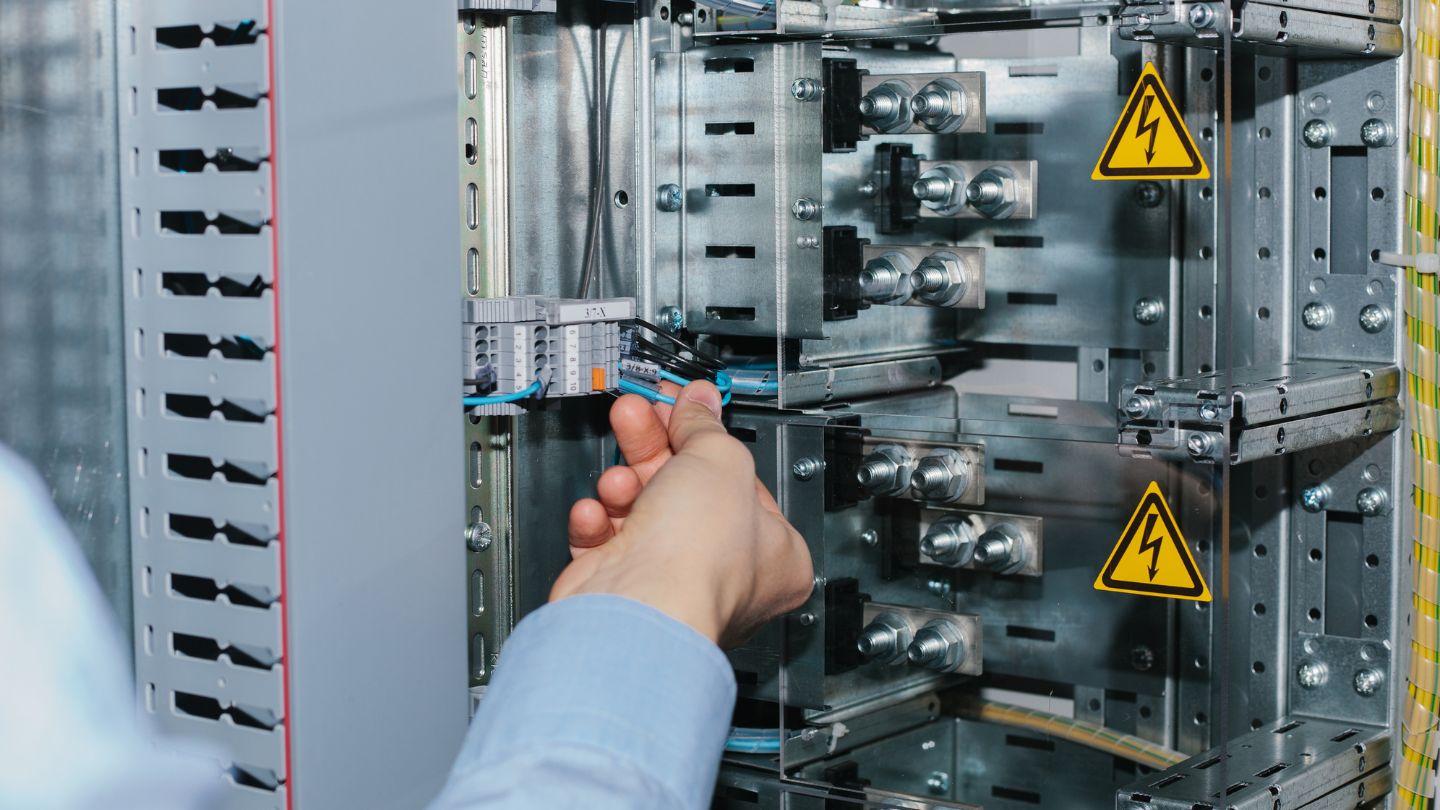
Low-voltage systems offer numerous benefits that make them an attractive choice for business security, including:
- Energy efficiency: Low-voltage systems consume less power, leading to improved energy efficiency and cost savings.
- Reduced energy consumption: Commercial buildings can reduce their energy consumption by approximately 30% through low-voltage infrastructure.
- Cost savings: This reduction in energy use translates to lower utility bills.
- Sustainability: A more sustainable business operation is achieved through decreased energy use.
In addition to energy efficiency, low-voltage systems offer several significant advantages over high-voltage systems:
- Lower installation and maintenance costs
- More affordable initial investment
- Reduced ongoing costs due to the system’s durability and reliability
- Low-voltage cabling ensures smooth operation
- Reduced likelihood of system downtime and associated productivity losses
Safety is another critical benefit of low-voltage systems. The reduced risk of electrical shock and fire hazards makes these systems safer for both the installation process and ongoing use. Furthermore, low-voltage alarm systems are highly effective in detecting unauthorized access, fire, and other emergencies, providing crucial alerts that help protect people and property, including the use of emergency lighting.
Compliance and Safety Standards
Compliance with safety standards is paramount when installing low-voltage security systems. The National Electrical Code (NEC) is enforced across all states in the U.S. to ensure the safety of electrical installations, including standard electrical wiring. However, local regulations may impose additional compliance requirements beyond the NEC, making it essential for businesses to stay informed about both national and local codes.
Licensed experts play a crucial role in ensuring compliance with these standards. They are knowledgeable about the latest building codes and regulations, ensuring that installations meet all safety requirements. This compliance is not only vital for safety but also for the reliable performance of the security systems, providing a secure environment for business owners. Additionally, licensing requirements vary, which can affect the installation process.
DIY vs. Professional Installation
When it comes to installing low-voltage systems, the choice between DIY and professional installation is critical. While DIY setups may seem cost-effective, they come with significant risks. Professional installation is crucial for optimal performance, as it requires certified technicians who are trained to handle complex setups. This expertise ensures that the system is installed correctly, minimizing the risk of future issues and ensuring longevity and reliability.
Professional installers also ensure that low-voltage wiring meets all relevant safety standards and regulations, ensuring compliance and reducing the risk of potential hazards. While DIY may be tempting, especially for smaller setups, professional expertise is recommended to install low-voltage wiring for complex low-voltage systems to maintain network integrity and ensure reliable performance. Hiring a low-voltage contractor can further enhance the quality of the installation.
Best Practices for Low Voltage Wiring
Following best practices for low-voltage wiring is essential for ensuring system performance and reliability. Key practices include:
- Using installation standards like Cat6a or fiber optics for demanding applications.
- Utilizing fiber optic cables for their higher bandwidth and immunity to electromagnetic interference, making them ideal for low voltage applications, including low voltage cables.
- Ensuring compliance with codes during installation to optimize system performance and reliability.
Proper installation of low-voltage cabling is important because:
- It reduces system downtime and productivity losses, which is crucial for business operations.
- The targeted design of low-voltage installations simplifies maintenance processes, leading to fewer disruptions and ensuring smooth operation.
- Professional installation is particularly important for fiber optic cable systems, as they require specialized knowledge and equipment to install correctly.
Common signs that a business might need to change its cabling infrastructure include issues stemming from expansion or outdated technology. Attempting DIY cabling can lead to significant risks, including selecting inappropriate materials that may hinder network performance and internet connectivity. Therefore, it is always advisable to seek professional expertise for low-voltage wiring installations and to ensure a robust network infrastructure.
Final Thoughts
Low-voltage security systems are essential for modern businesses seeking cost-effective, scalable, and safe solutions. From surveillance cameras to access control and alarm systems, these technologies enhance protection while reducing energy consumption and operational risk. Supported by dependable low-voltage cabling, they offer a future-ready infrastructure that strengthens day-to-day security and long-term resilience.
JETT Business Technology provides expert solutions in low-voltage and premise security in Atlanta that businesses trust. With professional installation services and deep knowledge of compliance standards, Contact our team to ensure your security systems are integrated, efficient, and built to grow with your business.
Frequently Asked Questions
1. What is considered a low-voltage security system?
A low-voltage security system operates at 50 volts or less and includes components such as surveillance cameras, access control systems, alarm systems, and intercoms. These systems are designed to be safer, more energy-efficient, and easier to integrate with existing infrastructure.
2. Why should businesses choose low voltage over traditional high voltage systems?
Low-voltage systems reduce the risk of electrical hazards, consume less energy, and offer easier installation and maintenance. They are also more scalable and compatible with modern digital security technologies, making them ideal for growing businesses.
3. Can low-voltage security systems be integrated with smart building technologies?
Yes, low-voltage systems are highly compatible with smart building platforms. They can be integrated with IoT devices, cloud-based monitoring solutions, and building automation systems to enable centralized control and enhanced real-time security analytics.
4. How often should a low-voltage system be inspected or upgraded?
Security systems should be professionally inspected at least once a year. Upgrades may be necessary every 5–7 years or sooner, depending on technological advancements, system wear, or changes in your security needs.
5. Is it necessary to hire a licensed contractor for low-voltage installations?
Yes. Hiring a licensed contractor ensures the system is installed to code, operates safely, and functions optimally. Certified professionals also help businesses remain compliant with national and local regulations, minimizing liability and operational risks.