

If you’ve been curious about what smishing and vishing are and how they differ, you’re in the right place. Smishing involves deceptive text messages, while vishing uses fraudulent phone calls. This blog will explain each type so you can recognize and protect yourself from these cyber threats.
Key Takeaways
- Smishing involves deceptive text messages to extract personal information, while vishing uses voice calls for the same purpose, both relying on social engineering tactics.
- Key indicators of smishing include urgent language and links to fraudulent websites, whereas vishing often utilizes fear and emotional manipulation during phone calls.
- Preventive measures against both threats include verifying unsolicited communications, using security software, and implementing two-factor authentication for enhanced protection.
Understanding Smishing

Text messages, often crafted with urgency and resembling genuine communications from reputable sources, are employed in a fraudulent practice known as smishing. This conflation of “SMS” and “phishing” involves the use of manipulative text message strategies aimed at appropriating sensitive information from individuals who may be caught off guard.
Smishers often masquerade as trustworthy entities, sending texts about package deliveries, financial inquiries, or fabricated transaction confirmations to lure victims into their trap. The deceitful links within these messages redirect recipients to sham websites that coax them into disclosing their personal details. Such smishing attacks predominantly aim to siphon confidential data like bank details and credit card numbers as part of an overarching phishing scam strategy.
By recognizing that legitimate companies do not typically solicit sensitive information through SMS, you can bolster your defenses against attempts made by cybercriminals looking to steal confidential information via this method of SMS phishing.
Recognizing Smishing Attacks
Recognizing the signs of smishing attacks requires vigilance, as these fraudulent messages are often disguised to look like they’re from reputable sources. A typical hallmark of a smishing message is its inclusion of links that direct you to a fake website with the intention of stealing your sensitive data once you engage with it.
Cybercriminals executing these smishing schemes tend to use alarming language in their text messages, aiming to provoke urgency and fear. This pressure tactic might manifest through claims suggesting immediate action is necessary—for instance, alleging that failure to update personal details will result in your bank account being frozen.
Exercise caution when dealing with unexpected text messages arriving from senders who are strangers. It’s crucial not only to refrain from clicking on suspicious links but also to be wary about sharing any private information in such communications. Staying alert and informed serves as an essential shield against potential smishing exploits.
Understanding Vishing

Voice phishing, also known as vishing, is a scamming technique that employs phone calls and voice communication to trick individuals into giving away personal details. This method stands apart from “smishing,” which uses text messages for deception. Vishing leverages the power of spoken interaction to convincingly solicit sensitive information through social engineering.
In the course of these vishing scams, fraudsters often impersonate trusted entities. They might initiate contact by calling you under the guise of an employee from a familiar institution such as a bank, insurance firm, or government body. These imposters can make their phone calls seem more legitimate by using caller ID spoofing technology to mimic genuine numbers, thereby gaining your trust. Within this pretense, they frequently create urgency in order to push you toward hastily revealing private data over the phone.
The strategic exploitation of human emotions significantly raises the efficacy of voice phishing attacks. By playing on feelings like anxiety or eagerness (even exploiting natural human curiosity), these perpetrators aim at obtaining confidential details from unsuspecting victims. Awareness and recognition of such emotional manipulation are key defenses against becoming ensnared in one’s web during these deceptive interactions via telephone calls.
Recognizing Vishing Attacks
Being vigilant about vishing attacks requires awareness of certain warning signals. Scammers may leverage timely issues or seasonal activities to make their calls appear more convincing, such as impersonating tax authorities during the season and alleging that there’s a critical problem with your taxes.
Vishing operatives often customize their tactics by acquiring information on an organization’s hierarchy, its workforce, and corporate events in advance. This groundwork lends authenticity to their approach, thereby enhancing the likelihood of deceiving targets. Should you get an unexpected call demanding confidential information, it is crucial to authenticate the identity of the caller using recognized channels before engaging in conversation or revealing any sensitive data.
To safeguard yourself against vishing scams, remain cautious and always confirm who is on the other end before divulging private details when faced with unanticipated telephone inquiries.
Read More: Smishing vs. Phishing: Is Your Smartphone the Next Target?
Key Differences Between Smishing and Vishing
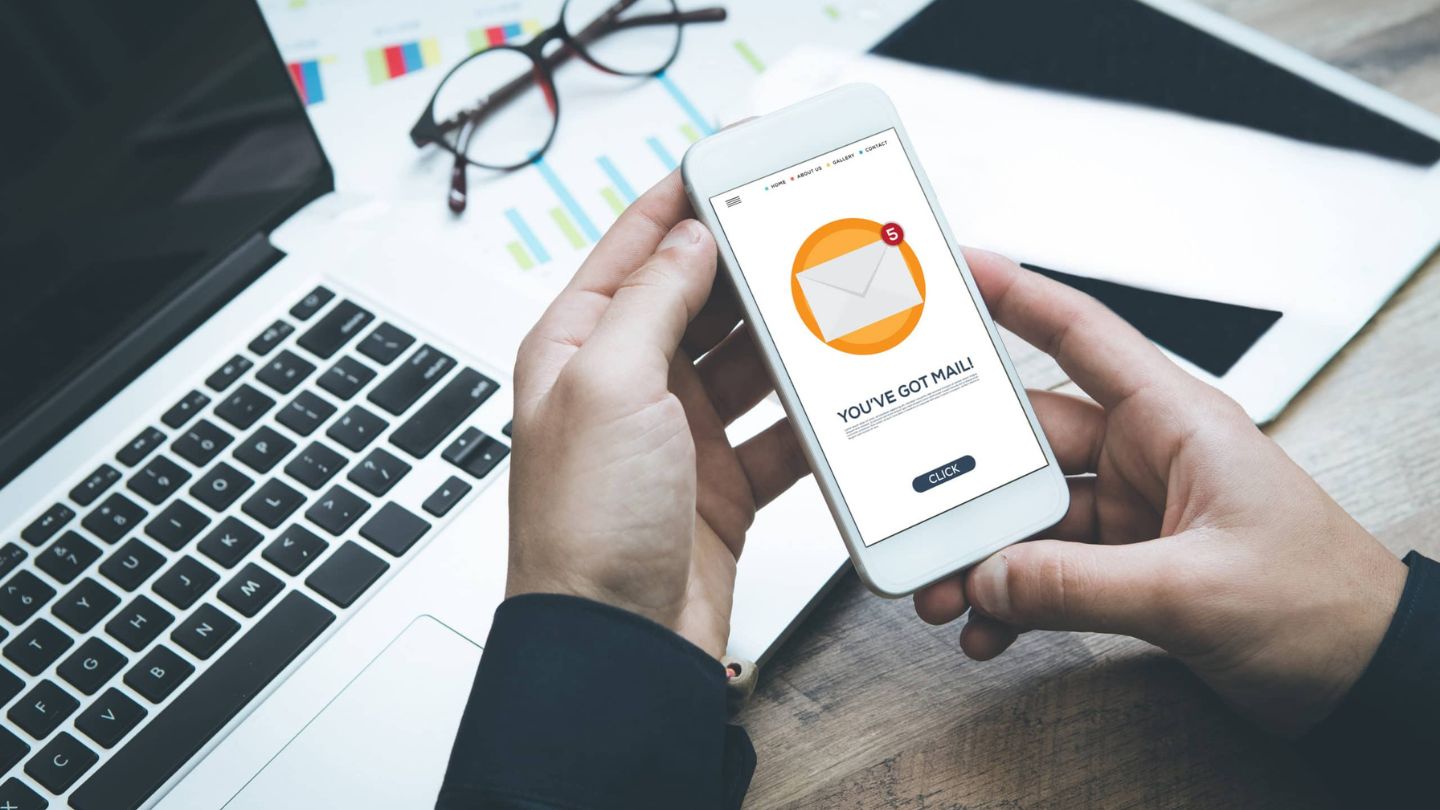
Smishing and vishing are both variants of phishing attacks, utilizing different channels to execute their scams. Smishing is conducted through misleading text messages, while vishing uses fraudulent phone calls for the same purpose. Though their methods vary, both tactics rely on social engineering techniques that involve creating urgency and manipulating emotions to deceive individuals.
Both smishing and vishing attacks frequently involve cybercriminals impersonating trusted entities like banks or government organizations. The goal is to gain the target’s trust, making them more likely to divulge sensitive information. By recognizing the differences and similarities between these two attack methods, individuals can better defend themselves against these sophisticated threats.
Preventive Measures Against Smishing and Vishing

Adopt a proactive approach to safeguard against smishing and vishing attacks. Remain cautious of responding to unexpected text messages or phone calls, as legitimate companies rarely request sensitive information in this manner. Always verify the authenticity of such requests through established official channels, like contacting the company directly using their known customer service number or email.
Equipping your mobile devices with reliable antivirus and security applications can help block malicious websites and provide alerts. Additionally, utilizing call-blocking services can filter out potentially harmful vishing calls by identifying and flagging suspicious numbers.
For an added layer of security, enable two-factor authentication (2FA) on all your online accounts. Even if cybercriminals obtain your login credentials, 2FA significantly reduces the risk of unauthorized access. Regularly updating passwords and educating your family, colleagues, or employees about these preventive measures can further reinforce your defenses.
Importantly, consider enlisting professional cybersecurity services. These experts possess the knowledge and tools necessary to implement the most effective security measures tailored to your specific needs. By relying on their expertise, you can ensure your defenses are robust and up-to-date against the ever-evolving landscape of cyber threats.
Protecting Your Organization from Phishing Scams
It is essential for organizations to fortify their defenses against phishing attacks by adopting strong security protocols. Training employees consistently on how to identify indicators of phishing attempts, such as unusual sender information or linguistic mistakes, greatly diminishes the likelihood of successful intrusions.
Creating an environment where cybersecurity vigilance is a shared responsibility can also be key. Keeping staff informed about the newest forms of phishing scams and using real-life scenarios in training can sharpen their skills in recognizing these threats. Providing them with incident response education enables swift action when they encounter potential risks.
Urging immediate reporting when encountering any questionable communications empowers IT teams to react swiftly to possible phishing events before they escalate. By taking active steps towards online defense, entities can shield themselves more effectively from the repercussions associated with sophisticated phishing schemes.
Summary
Grasping the differences between smishing and vishing is essential in today’s digital environment. Both types of attacks use social engineering tactics to deceive victims, with smishing relying on text messages and vishing on phone calls. By identifying the signs of these attacks and adopting preventive measures, individuals and organizations can significantly lower the risk of falling prey to these cyber threats. Staying alert and implementing cybersecurity best practices are crucial in defending against the damaging effects of phishing scams.
JETT Business Technology provides specialized IT and cyber solutions for Marietta businesses that are designed to meet organizations’ distinct needs. We adeptly navigate enterprises through cyber threats, offering consulting packages that cover computer setup, network creation, cloud technology adoption, data privacy protection, and comprehensive cybersecurity measures. We deliver expert guidance and support in Alpharetta, Marietta, Cumming, Duluth, Johns Creek, and Lawrenceville, helping organizations maintain productivity and safeguard against vulnerabilities. Contact us today to discover how we can strengthen your business’s defenses against cyber threats.
Frequently Asked Questions
How do I recognize a smishing message?
Smishing messages often create urgency, asking you to act quickly by clicking on links. Look for suspicious URLs, misspelled words, or strange sender numbers. Always verify any unsolicited communication before clicking on links.
What should I do if I receive a suspicious phone call?
If you receive a suspicious call asking for personal information, hang up immediately and contact the organization directly using a verified phone number to confirm the legitimacy of the request.
Can smishing and vishing attacks target businesses as well?
Yes, both smishing and vishing can target businesses. Cybercriminals may impersonate company representatives or vendors to gain access to sensitive business information. Companies should educate employees on how to recognize and avoid these scams.
How can I protect my personal information on my mobile phone?
To protect your information, avoid clicking on unknown links in text messages, use strong passwords, enable two-factor authentication, and install trusted security apps.
Is it safe to click on links in messages from known contacts?
Even if the message appears to come from a known contact, be cautious. Fraudsters can compromise accounts or spoof contacts. Always verify before clicking on links, especially if the message seems urgent or unusual.